House Spirits in Witchcraft, Folk Beliefs, Offerings, and Protection
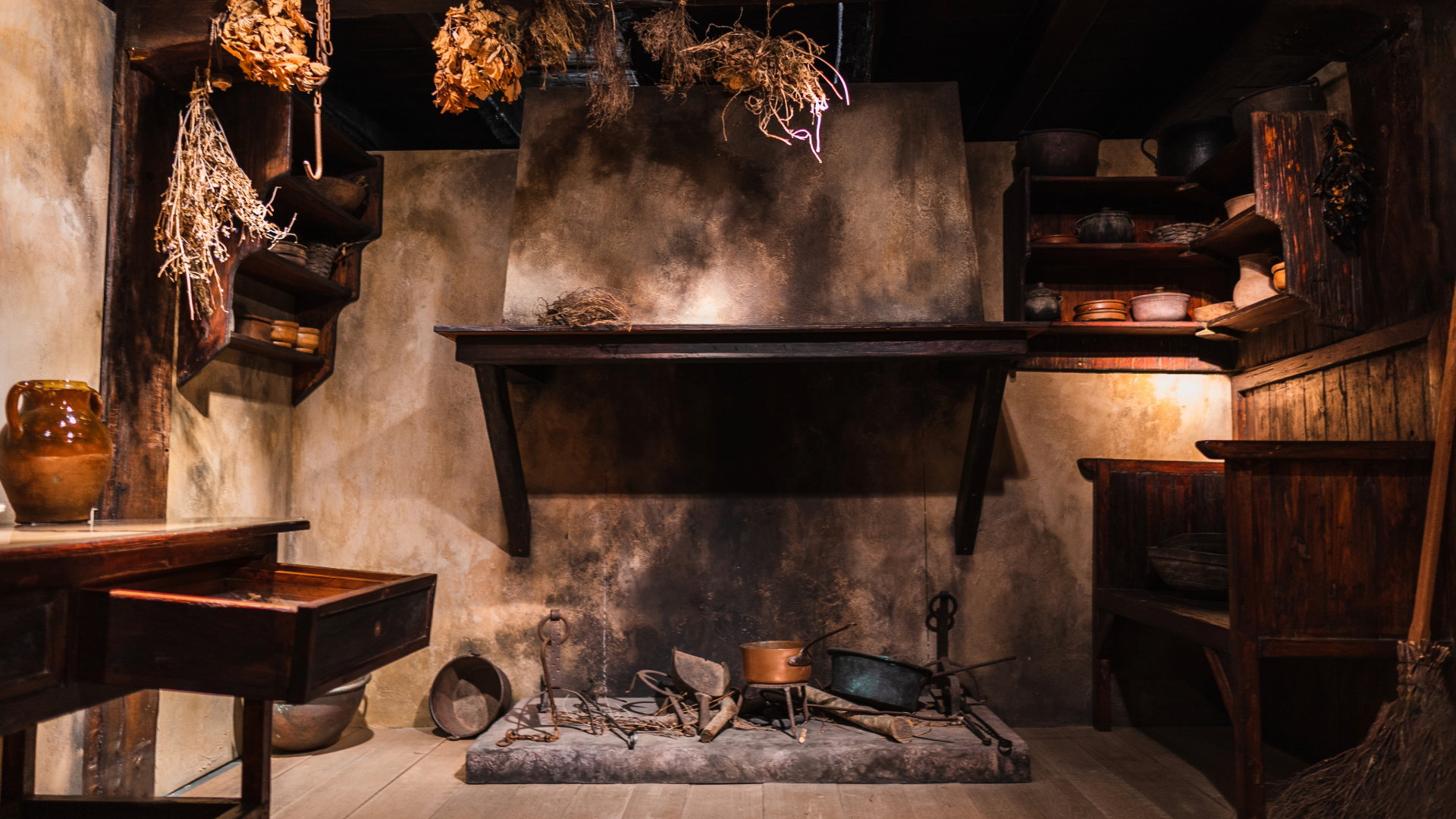
Let’s talk about house spirits, witches! There are many beings that are called house spirits, and they are worked with in many different cultures. So the way you choose to work with them might depend on your witchcraft style or the cultural region you are from.
The Spirit of the House Itself
In European cultures, house spirits were seen as the local land spirits, or the spirit of a place where the house was built, or the spirit of the trees that were used to make the house. Before building, an offering would be given as a type of purchase price or a way to be on friendly terms with the local spirit. That could be a sacrifice of an animal or something else that was valuable, asking the local spirit to become a kind of guardian of the family and the dwelling and extend its stewardship to the new occupants. My experience with that is that it can be slow to develop or make itself known these days in a new house. The spirit of the house itself is the main house spirit I work with.
Working With Your House Spirit
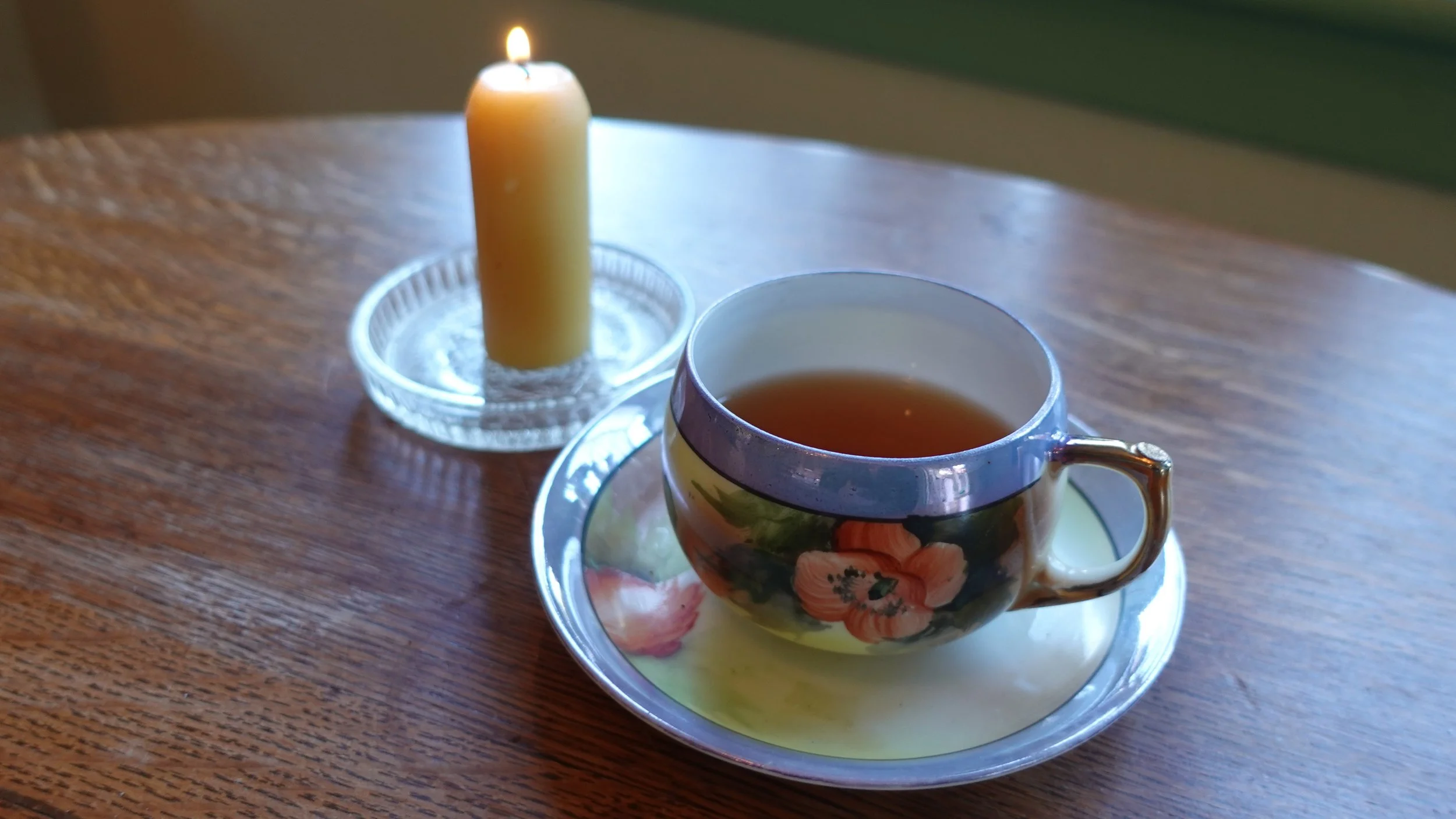
When you first move into a house, introduce yourself and make an offering. You can use tea, coffee, wine, or other spirits. Before you or the house owner does construction or remodeling, tell the house spirit what is going to happen.
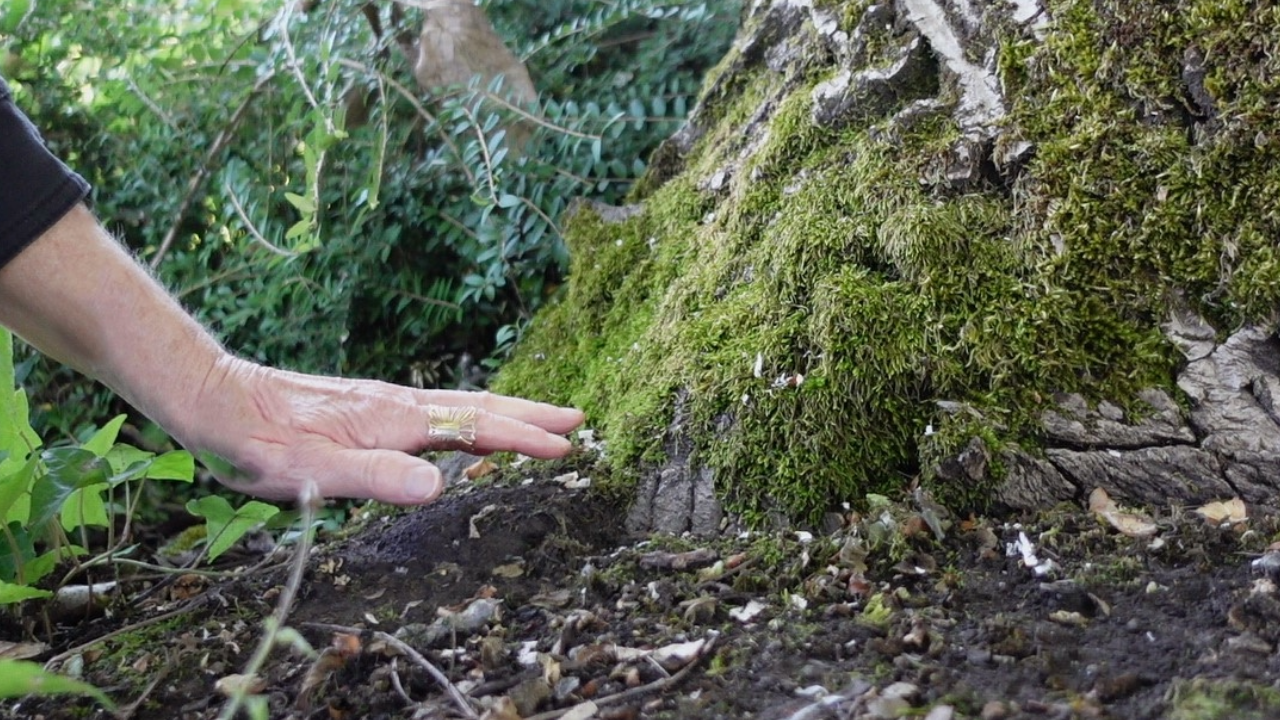
I often like to just touch the frames of the doorways as I pass through them, even if it's just the doorways between rooms. I offer a little burst of appreciation and affection to the house and thank it for sheltering me. I also give it a little pat on the walls. Some people use house steams as offerings. Other practices include offering blood or alcohol on the foundation, especially when it’s being built. But it can be done anytime.
Other places to place house offerings are at a specific corner of the house, the threshold, or near the hearth. If you don’t have a hearth, pick a spot near your kitchen stove.
Types of House Spirits in Witchcraft
As people developed outbuildings for animals and fields, more spirits that protected and helped were named and honored. There are hundreds of names for house spirits depending on where you live. But I wanted to break it down into a few large categories just to give us somewhere to start.
These are mainly from European or Roman beliefs, which is my background and what I know about. But every culture has some version of house spirits. There are hundreds of specialized spirits of place and local spirits who have some association with the home. These categories have become blurred over time as different cultures mixed, or as Christianity or colonialism tried to stamp out these practices. And many are seen as tricky, which may be demonization by the church or not.
House Deities
These could be major or minor deities associated with the house and home. You could create a small shrine or shelf and place a statue of that deity on it. This is a very old practice. Traditionally, candles or other offerings were given. You could also place flowers or greenery and devotional liquors or cordials as offerings. Sometimes house deities were invited to sit down with the family and eat at meals, or if they were given food elsewhere and a piece of it was dropped, that food might be returned to the table and sit there for a while before it was offered again to the deity.
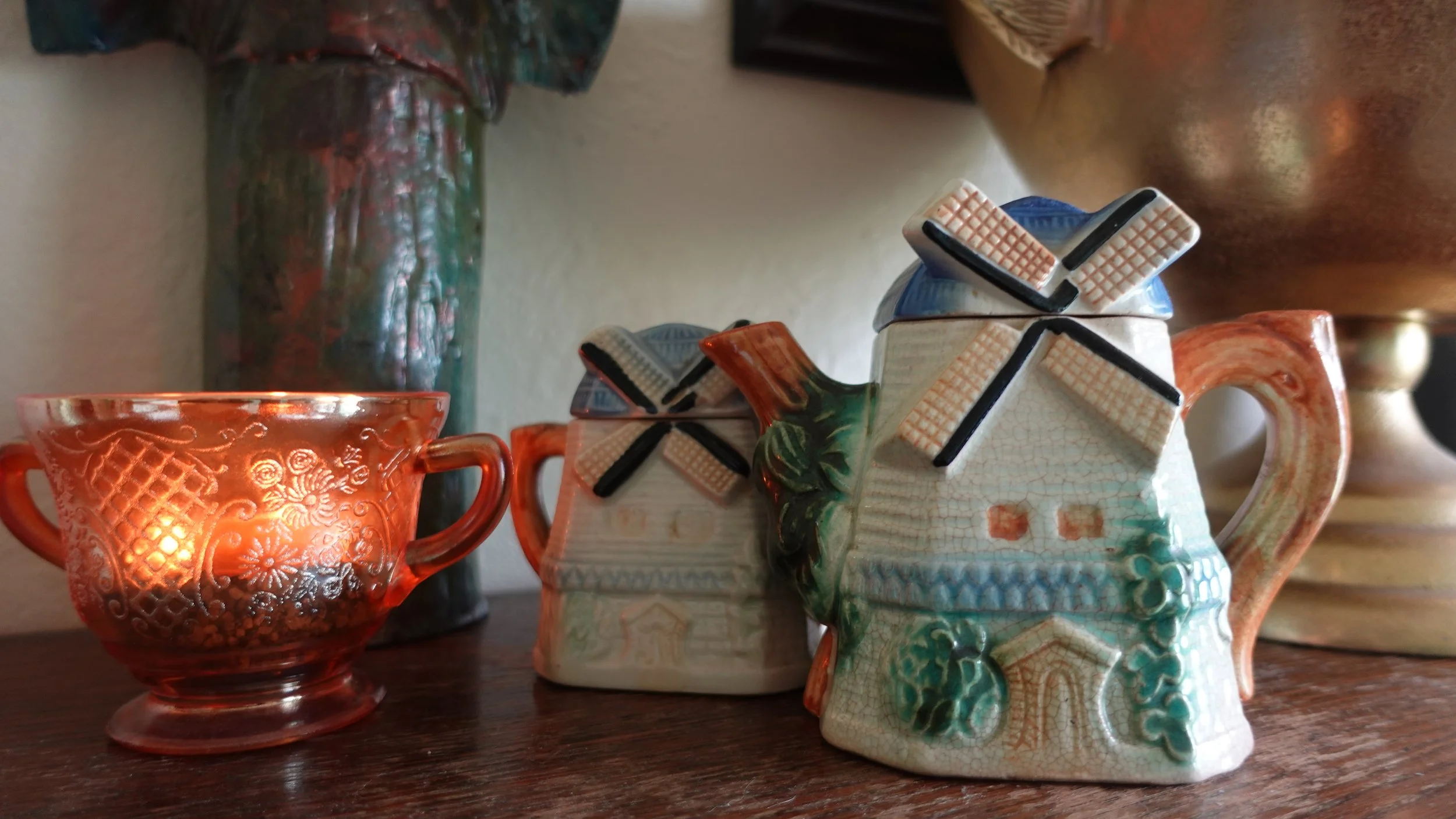
Some kitchens don’t have room for more shelves or an altar and don’t have a hearth. One of the things that you can do is place a small altar, shelf, or table right up against the central venting chimney for the furnace if you have that.
Examples of house deities would be Hestia in Greece, Vesta in Rome, Frig in Norse tradition, and to some degree Brigid in Celtic countries, and many others. Try researching the names of deities associated with hearth and home from your general region of ancestry.
And I want to say here that access to European witchcraft is not defined by blood descent and, in my view, is open to anyone. But that is not true in all cultures. So be respectful, particularly if a culture has been oppressed or had their customs appropriated by capitalist culture.
Ancestral House Spirits
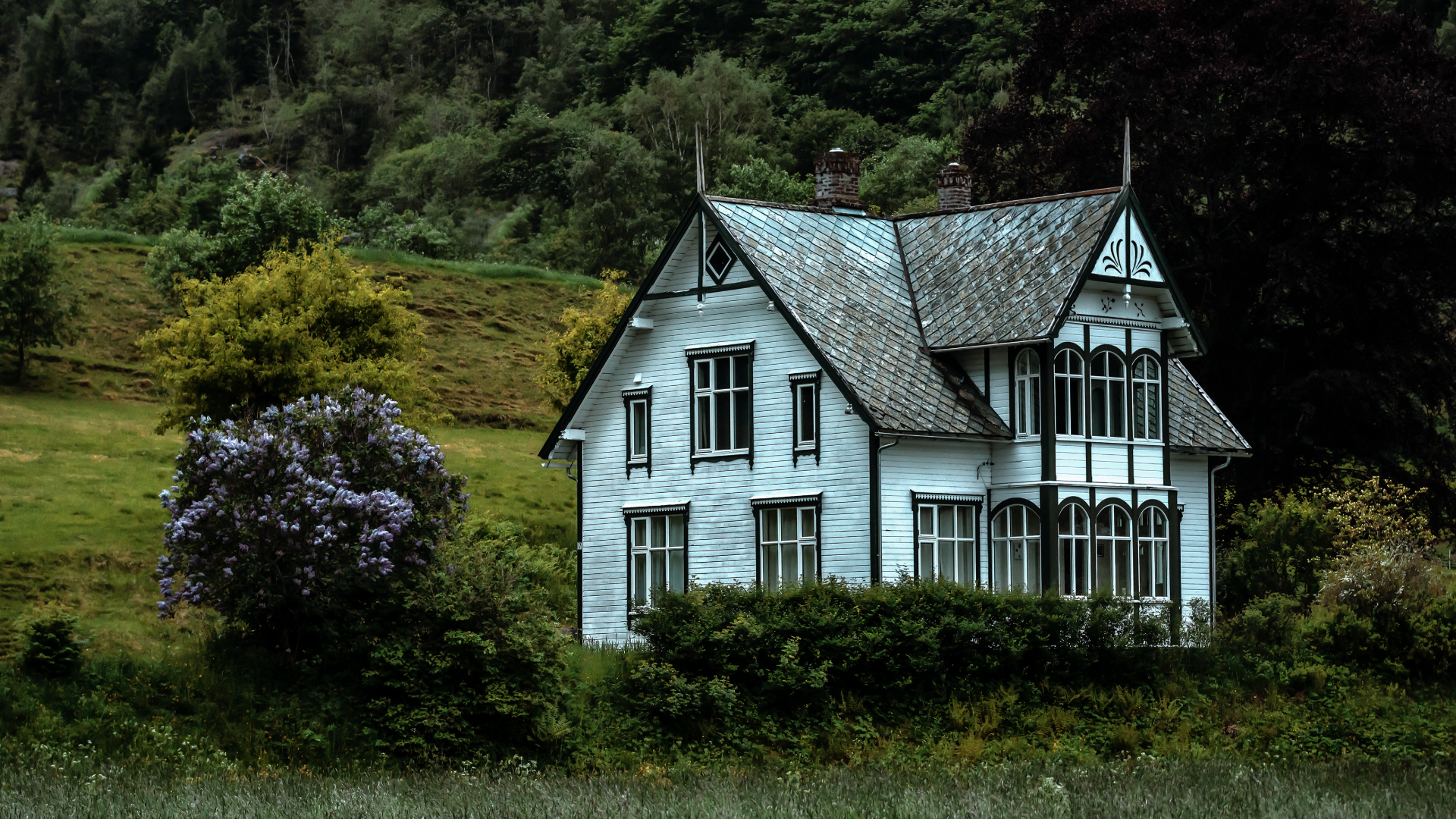
Ancestors could become a form of house spirit. This happened when land or a house was passed down through the generations. A particular ancestor, who was often the first person to build or live in the house, might cross over at death. Then they would work with that family from the other side to protect and guard the home and the family.
Sometimes it's just a particular ancestor somewhere along your lineage who shows up and offers support, or someone who has an interest in protecting your household in addition to their usual job of supporting the wellbeing of their descendants. Traditionally these types of ancestors were fed year round, not just remembered at Samhain.
Ghosts and House Spirits
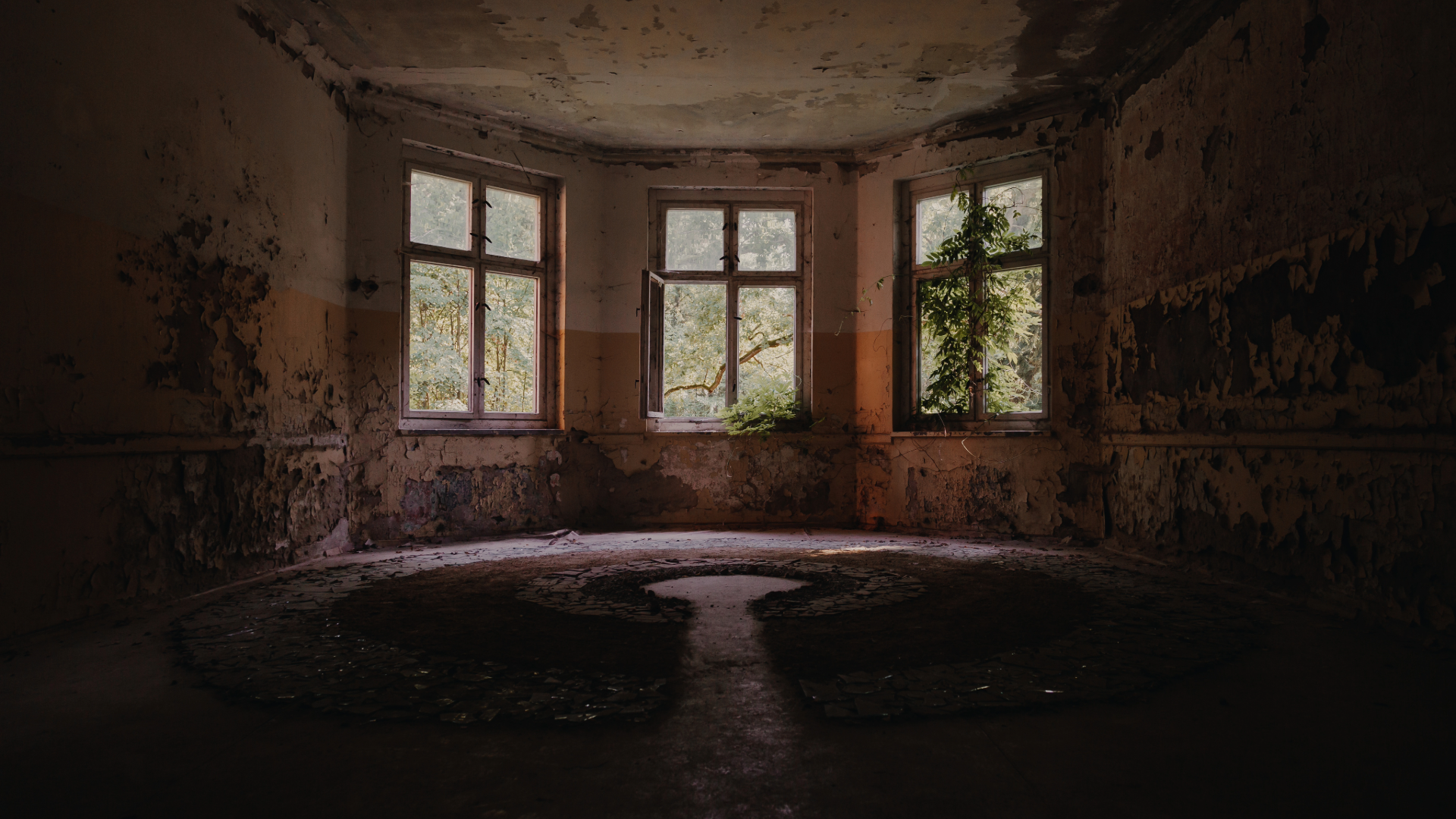
There are many types of things people call ghosts. Most of the time I feel like they are spirits who need to be crossed over or an emotional echo of something that happened. I will go more deeply into this around Samhain. Ghosts in your house are rarely beneficial. Sometimes they are neutral. Occasionally, if they are nuetral and you won’t be living there long, you might just let them be, especially if you get information that they have been there a long time and are acting like a house guardian.
If you have a ghost, it’s usually helpful to check in with a more advanced witch to get information, or at least get a second opinion if you are more skilled. But I’ll share more later in the year.
Folk Spirits and Household Spirits
These are miscellaneous spirits that are smaller than deity, and they are things like the Brownie, the Hobs from Celtic-Britannic regions, Hasat from Nordic cultures, and Domovoy from Russia. They are the various household spirits that function around a home, a farm, or the land and do specialized tasks. They gradually made themselves known to people once they settled in homes and started developing outbuildings.
They might help with chores. They might protect members of the family. They might work in the barns, fields, or even in the sauna like some of the spirits do in Finland. They all like different things as offerings. In Celtic countries, milk or milk and honey, or even alcohol, is considered an acceptable and pleasing offering. But some Germanic spirits do not want to be given offerings or specific types of offerings. They might even leave if you give specific things.
This is really confusing to me. I believe in keeping things reciprocal. So what I tell people to do is usually to look back through your lineage and see what types of helpful spirits might show up in your home or where you live. Try to find information on what they like. Or use a pendulum or some other type of yes or no divination method to find out what is an appropriate offering, if any. Sometimes divination can even tell you what type you have.
Are House Spirits Always Safe?
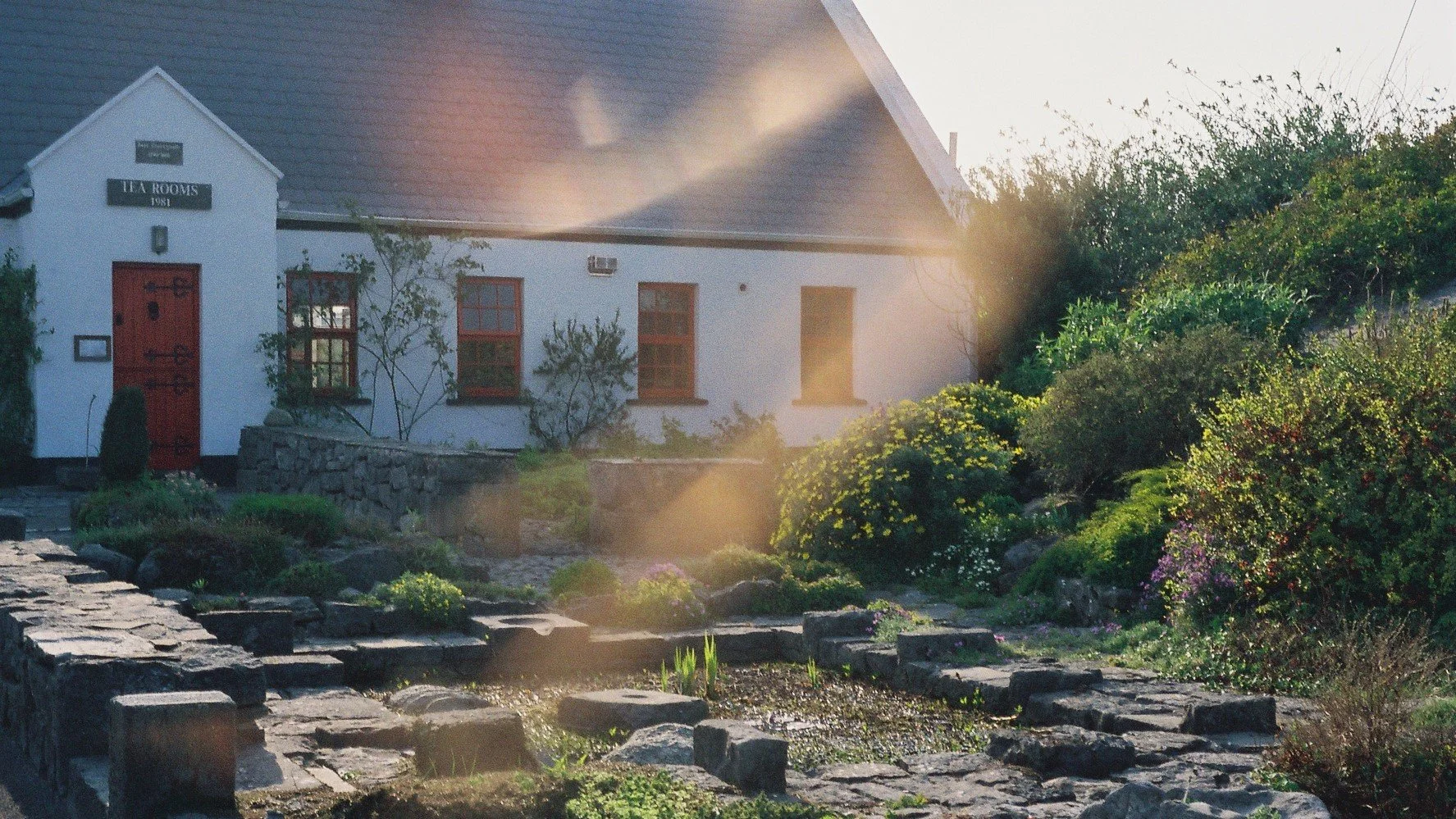
There are all kinds of spirits that can show up in your home, and some houses are magnets. So how do you know if the spirits in your house are okay, and what do you do if they aren't? Often people just know. If you are unsure, ask a more experienced witch to help.
If they are not safe, you might get a feeling of dread, anxiety, fear, or the feeling of being watched. Maybe you're seeing shadows in a corner that don't feel right to you or out of the corner of your eye. Of course, all these things could have mundane reasons for occurring as well. That’s why it’s good to get advice. If you have a spirit that you trust and regularly work with, they might be able to give you information through divination.
Protection While Investigating Spirits
When I do any work communicating with an unknown spirit, I put up a quick protective circle around myself, and I may actually add some extra layers of protection like protective oil, a protective spray, or jewelry. If there are feelings of fear or dread, ask a protective guide or a more experienced witch to help you.
Clearing Spirits From a House
What do you do if they actually aren't okay? The first thing you can do is clear and banish them, and there are a lot of different ways to do that. If you work with protective spirits, invite them to help.
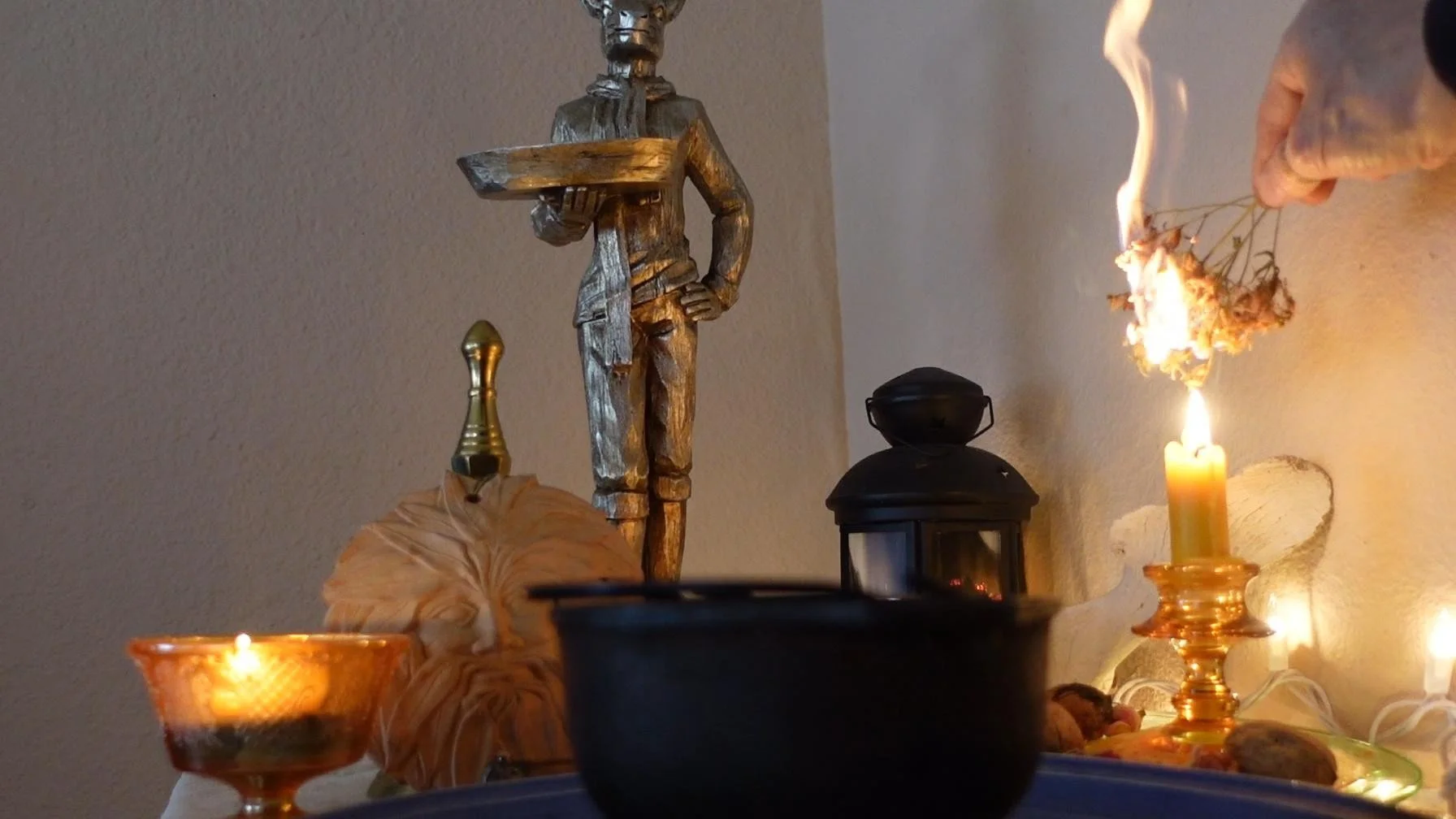
I usually do a triple clearing, and for me that involves clearing the house and cleaning the house very thoroughly and then going from the center out, or from top to bottom or bottom to top, using the smoke of burning herbs. Then make a steaming pot of clearing and banishing herbs. Then use loud sounds of bells to clear the house. Not a gentle little chime, but a loud vigorous ringing.
Afterward, spray the entire house with a protective spray of some kind, pre-made charms, protective bundles of herbs, or other types of protective objects as soon as you have cleared the space. If this doesn't work and the spirit still is hanging around, you need to get somebody or a team of people who are skilled in witchcraft to help you.
Lately, I have been letting my spirit familiars know that they are welcome as I start my clearing. Or I will make a statement like: I clear all non-helpful energy and any spirits that are not beneficial to me and mine to leave.
Moving to a New House With House Spirits
And finally, if you had benevolent spirits that worked with you in your old home, you can invite them to come to your new home when you're moving. Usually I just ask if any want to come, give them an offering at the old house, and immediately give them an offering and set up an altar space for them at the new house if they choose to move with me.The spirit of the house itself probably won’t come, but as a gift you can offer up a wish that the next person who lives there treats them well.
Final Thoughts
For witches, our homes can be both a sanctuary and our working space. My wish is for everyone to have safe and accessible shelter.
Colette Gardiner
© Copyright ~ Colette Gardiner Golden Web LLC 2026