What Is Winter Solstice, A Witch’s Guide
What Is the Winter Solstice?
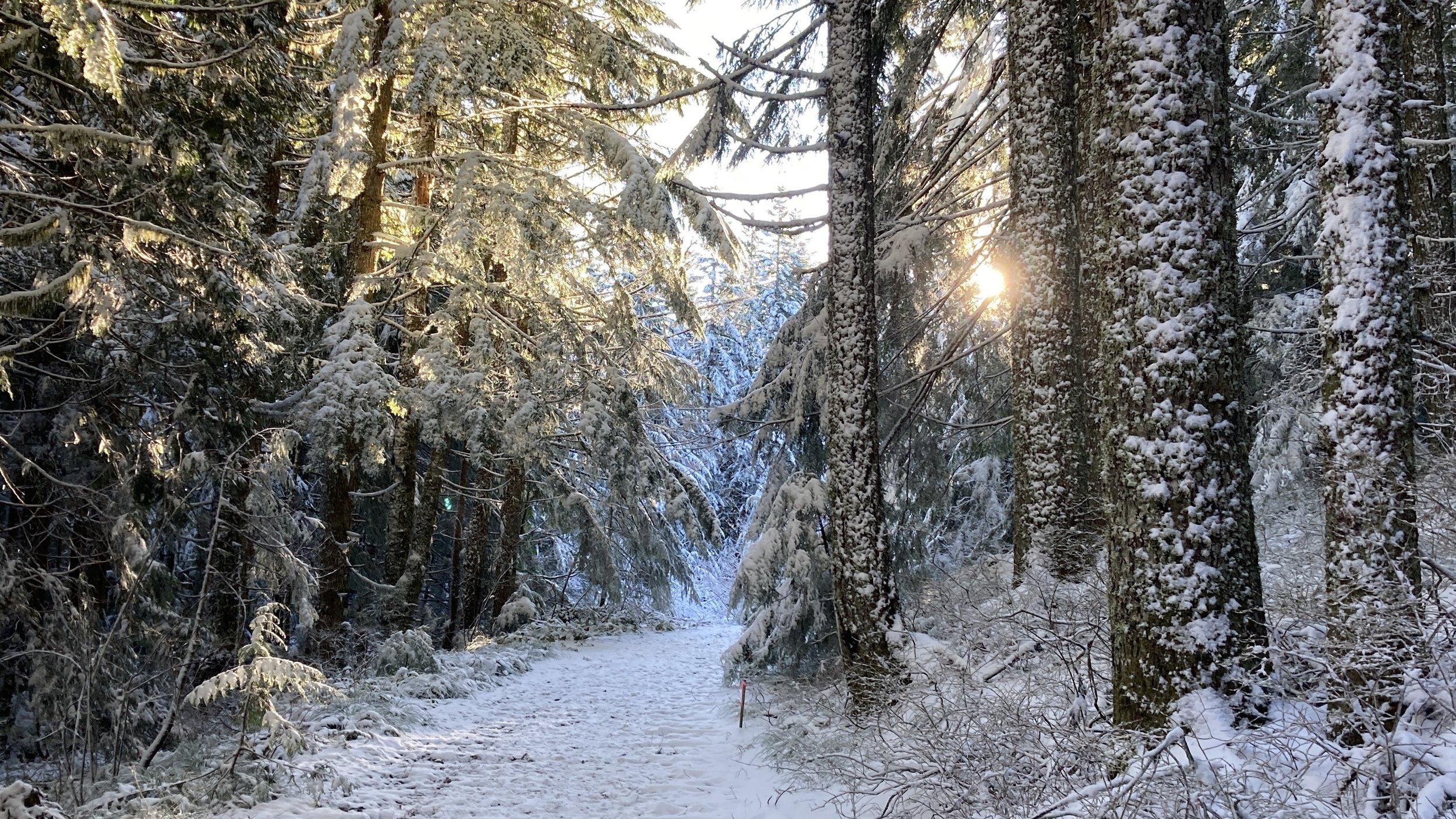
So many festivals and holidays dating back hundreds of years occur around the time of the winter solstice, and there is a great deal of magical lore and folk practice associated with this day. There are also many stone monuments, some up to 7,000 years old, that are aligned with this time of year. So what is this time of year about?
The winter solstice happens around December 21 and is the shortest day and the longest night in the Northern Hemisphere. The Sun rises and sets at its southernmost point in its yearly cycle. For about three days at this time of year, the Sun appears to stand still, and then the days slowly begin to get longer. The word solstice comes from a Latin term meaning sun and to stand still.
Why Is the Winter Solstice Magical?
In countries further north, winter was a difficult time. Limited daylight meant less time to get things done, and if you were hunting or gathering food there was a real risk of being caught out at night. The earth and the land had withered and appeared to die in many parts of the north.
The forces of night, cold, ice, and snow were not just forces of nature. They were seen as primal spirits, or in later times Deities, that needed to be placated.
Once agriculture was introduced, people were only able to keep the amount of livestock they could feed over the winter. So feasting often happened because there was a plentiful supply of culled animals. Sometimes part of that harvest was offered to the spirits. And in many regions, even in recent times, there were prayers and blessings to honor the life of any animal used. Survival of animals and families was not guaranteed. Just like now, people developed magical practices to give themselves an edge and to align themselves with the seasons.
Winter Solstice Magical Associations
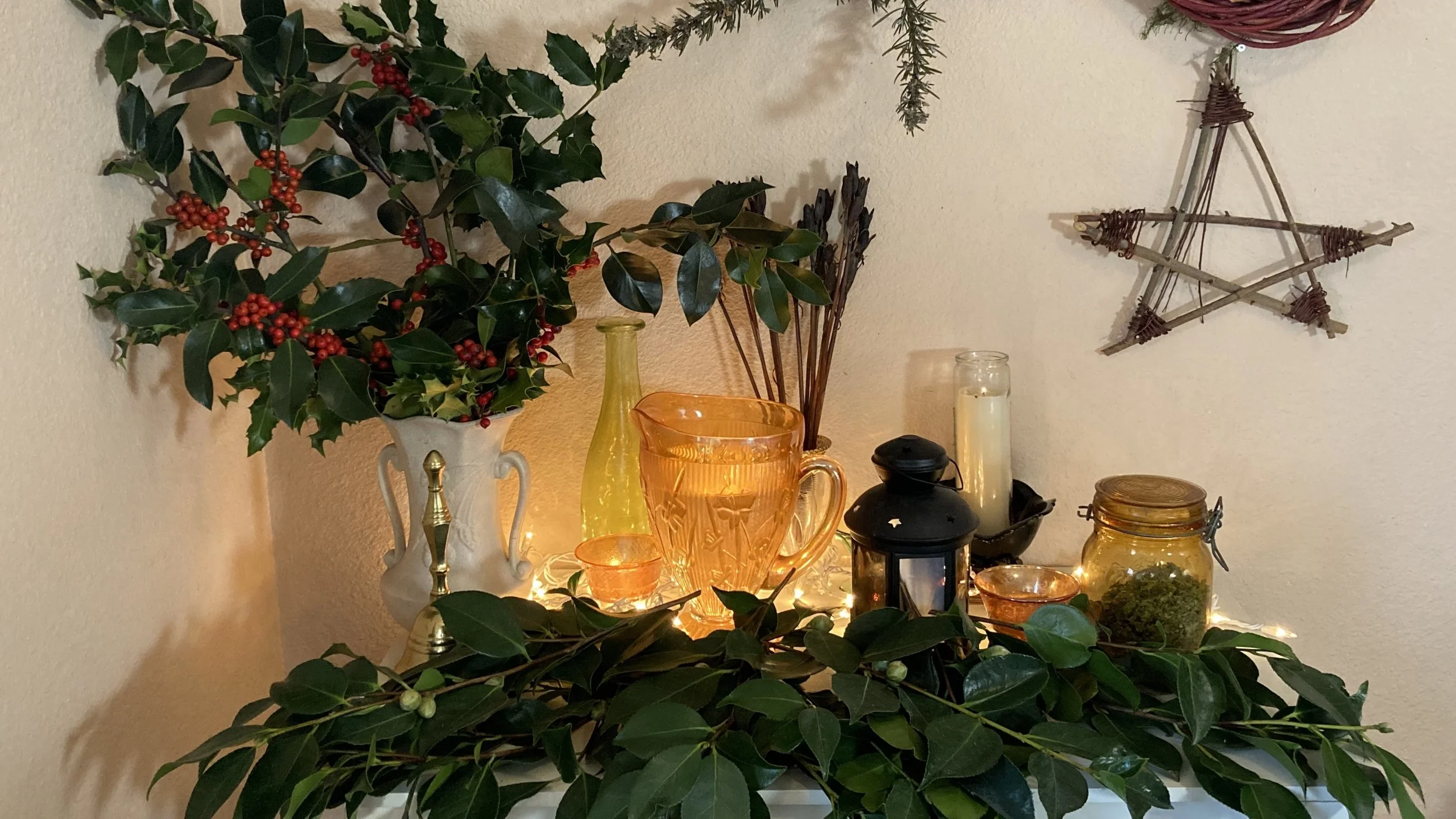
Evergreens are seen as symbolizing strength, hope, and immortality, since in much of the Northern Hemisphere they are the only plants that appear green and alive when everything else in the forest appears dead. They were used as sympathetic magic to call on those forces to help people survive, and they can still be used in spells for that purpose. Their magic does not change simply because we have electric lights.
Evergreens can also be used magically to provide shelter to nature spirits. It is important to take these out of the house and burn them by Imbolc, around February 1, in the Celtic tradition.
Feasting, candles, fire, stars, Sun Deities, and rebirth are all strongly associated with this time of year.
Regional Folk Practices for Winter Solstice
European church records show that candles were lit at midwinter to guard homes, livestock, and stored food. Outdoor bonfires were also lit, and embers were carried around homes or outbuildings as a form of protection
Many regions held communal bonfires to assist or welcome the Sun’s return. This practice is documented in Baltic, early Slavic, Lithuanian, and Basque areas.
In southern European regions, lamps were left burning overnight at the winter turning to ensure household prosperity and safety through the dark season.
St Lucia Day is celebrated on December 13, which corresponded to the winter solstice in the old Julian calendar. St Lucia is understood as a light bringer and is traditionally depicted wearing evergreens and wreaths of candles on her head.
In Rome, during the festival of Sol Invictus, meaning “the Unconquered Sun,” lamps were lit to mark the rebirth of the Sun at midwinter.
In ancient Greece, philosophical schools observed the solstice as the point of the Sun’s rebirth, with offerings made to Helios, a solar deity.
In Norse traditions, Álfablót was observed at midwinter. In the Nordic lunar calendar, midwinter did not necessarily fall on the solstice and may have occurred as late as mid January. Álfablót was a private household rite honoring ancestral spirits and elves and is recorded as a pre-Christian practice.
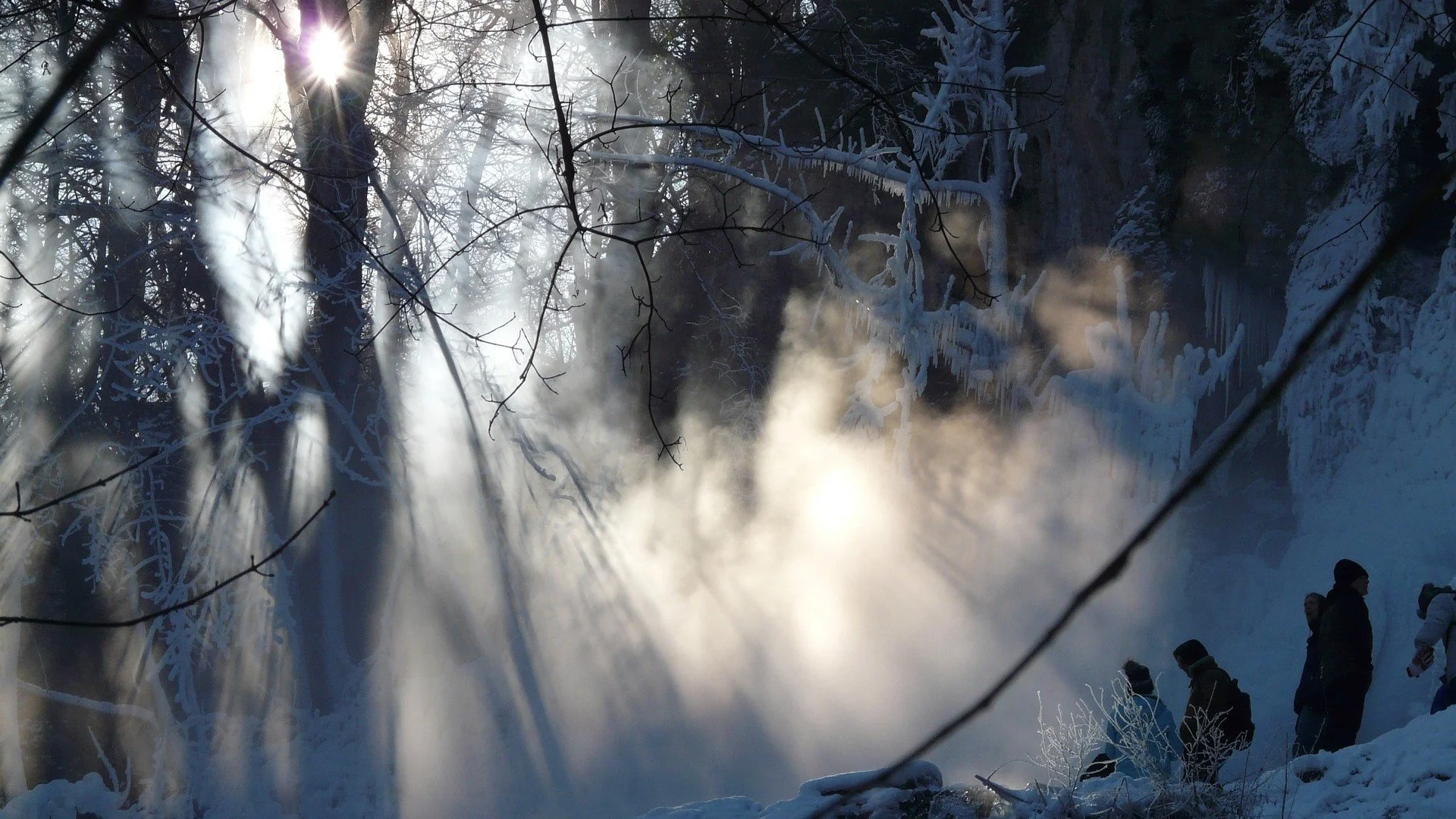
Many European regions believed that solstice, Yule, and later Christmas were times when the ancestors returned. Food might be offered or a place set for them at the table. I am often surprised by how many Samhain customs and forms of folk magic appear again during the midwinter holidays in European folk traditions.
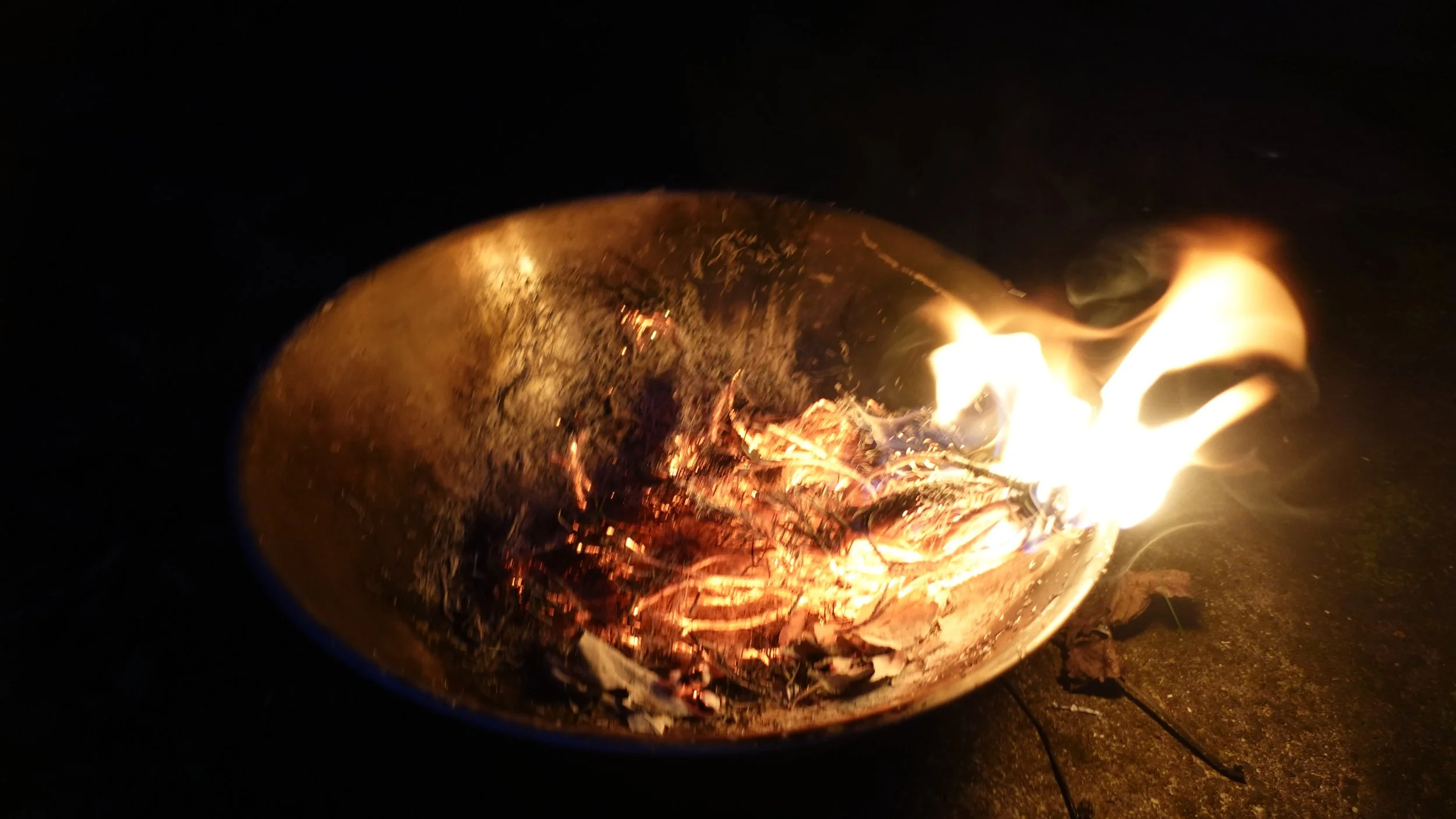
Fire and Ash ~ Winter Solstice Magic
Overnight vigils around fires were common at the solstice or at midwinter. I have spent several nights in ritual around a central fire, waiting for sunrise. One memorable ritual began with a lit hag’s taper procession. Candles or torches could be substituted, depending on fire safety. We then made four rounds, each dedicated to an element and accompanied by offerings. At the beginning of each round, we were quiet and listened for what that element wanted each of us to share, whether words, a song, a card pull, or a moment of silence. Another round involved an invocation done entirely through song, followed by a ritual candle-lighting.
Ash from holiday fires was used for blessing and protection, and I also use winter solstice ash this way. I draw protective symbols around my home. There are multiple church references to people using “midwinter” ash in this way. It is not always clear whether midwinter refers to the solstice, particularly in Nordic regions. Midwinter could fall in mid January or on different dates, since lunar rather than solar calendars were used. Often midwinter was seen as a climactic period that spanned several days.
A Simple Winter Solstice Ritual
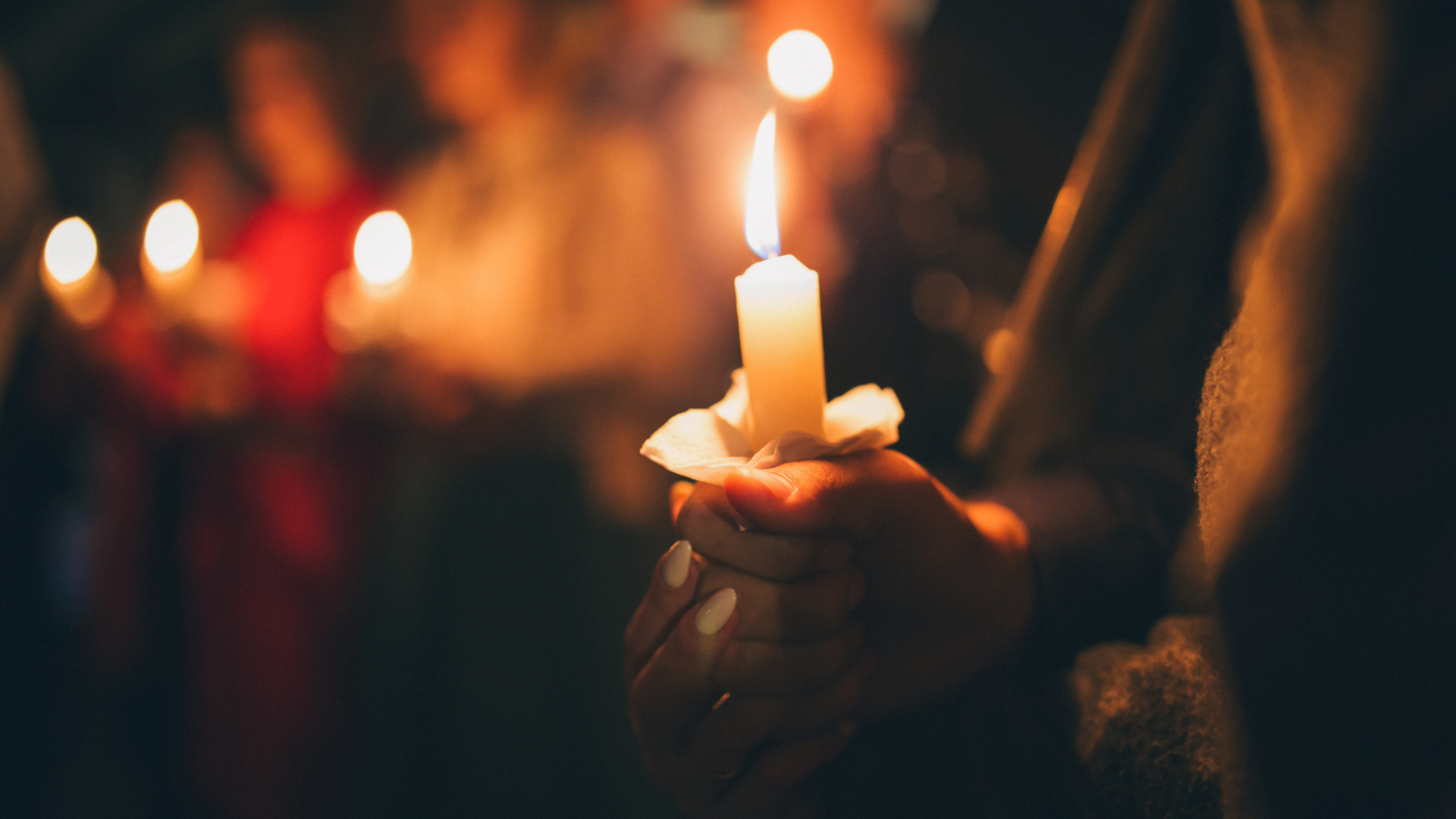
Just before sunset, gather a candle, some greenery, and a candle holder. Do whatever you usually do before starting witchcraft. This could be clearing, casting a circle, or taking a few breaths. Place the greenery safely near the candle and light it. If you wish, you can say something like, “I honor you, Sol, at your rebirth. I light this flame to celebrate your warmth.”
Final Thoughts for Winter Solstice
Almost all European witchcraft is an open tradition. I encourage you to explore the deeper cultural context and meanings behind these practices. One of the best ways to deepen your practice is to be curious and ask why.
And mutual aid is even more important in the winter months. If you are in the U.S., that is even more urgent. Witches create change. Not just through our magic and physical acts or banishing what doesn’t serve all of us. But by creating connections.
The mycelial net is an example of deep connection throughout a region. One that takes resources where they are needed so the whole forest can grow. Witches can create similar magical and mundane grassroots networks of connection to make sure we all survive and thrive.
May this Solstice bring you joy, connection, and a deeper appreciation for the resources you have.
Blessed Solstice
Colette Gardiner
© Copyright ~ Colette Gardiner Golden Web LLC 2025