Beltaine (May Day): A Celtic Fire Festival of Summer’s Beginning
The Seasonal Threshold of Beltaine
Beltaine (May Day) is that magical time of year when we can breathe a sigh of relief that winter is over. Our bodies start to loosen, relax, and welcome in the long days and warm weather. It is a holiday widely celebrated throughout the Brittano-Celtic Isles and, to some degree, in Germany.
In the modern calendar, it is one of the four Gaelic cross-quarter holidays that fall between the solstices and equinoxes. In modern calendars, summer starts at the solstice around June 21. Climate and weather people give June 1 as the meteorological date for the start of summer. Nordic and perhaps Celtic people mainly divided the year into two halves. Summer starts around Beltaine, and winter starts six months later around Samhain. Celtic and Gaelic cultures, however, further divide the year into the cross-quarter days. Beltaine is seen as the beginning of summer, and the summer solstice is seen as the full manifestation of summer.
I like to think about the different ways people worked with the calendar because it deepens my understanding of the magical energy of a holiday. To me, a day that celebrates the beginning of something requires a different magical approach than a day that celebrates the peak of a season. And I will do different kinds of spells and rituals accordingly. For example, I might start a spell or working invoking the power of steady growth and expansion for a project or a part of myself at Beltaine and finish it at the summer solstice when it is fully mature and ready to be moved out into the world.
If we were looking at these holidays as personality archetypes, the time between Beltaine and solstice is like the difference between a young adult starting to explore their life with excitement and a certain amount of reckless enthusiasm (Beltaine) and someone who has come into maturity and honors their wisdom and sovereignty (summer solstice).
Working With Deities at Beltaine
It’s always good to remember that most of this info was originally written down by Roman invaders or later Christian monks. I start with these basics but get to know these spirits on my own through working with them and using my intuition. I like to get to know them, make an offering, and research them a bit before working with them.
Although I write a lot of “call on this Deity for” statements, these are not beings to take lightly. They want to help and will, but it’s not like just going to the supermarket and adding them to your shopping cart. Make sure you keep the relationship respectful and reciprocal. I find Deities appreciate offerings of water, candles, alcohol or cordials, as well as honoring. You can call on them respectfully by listing and honoring their powers when you call them into your magic.
Spirits and Deities of Beltaine in Celtic Tradition
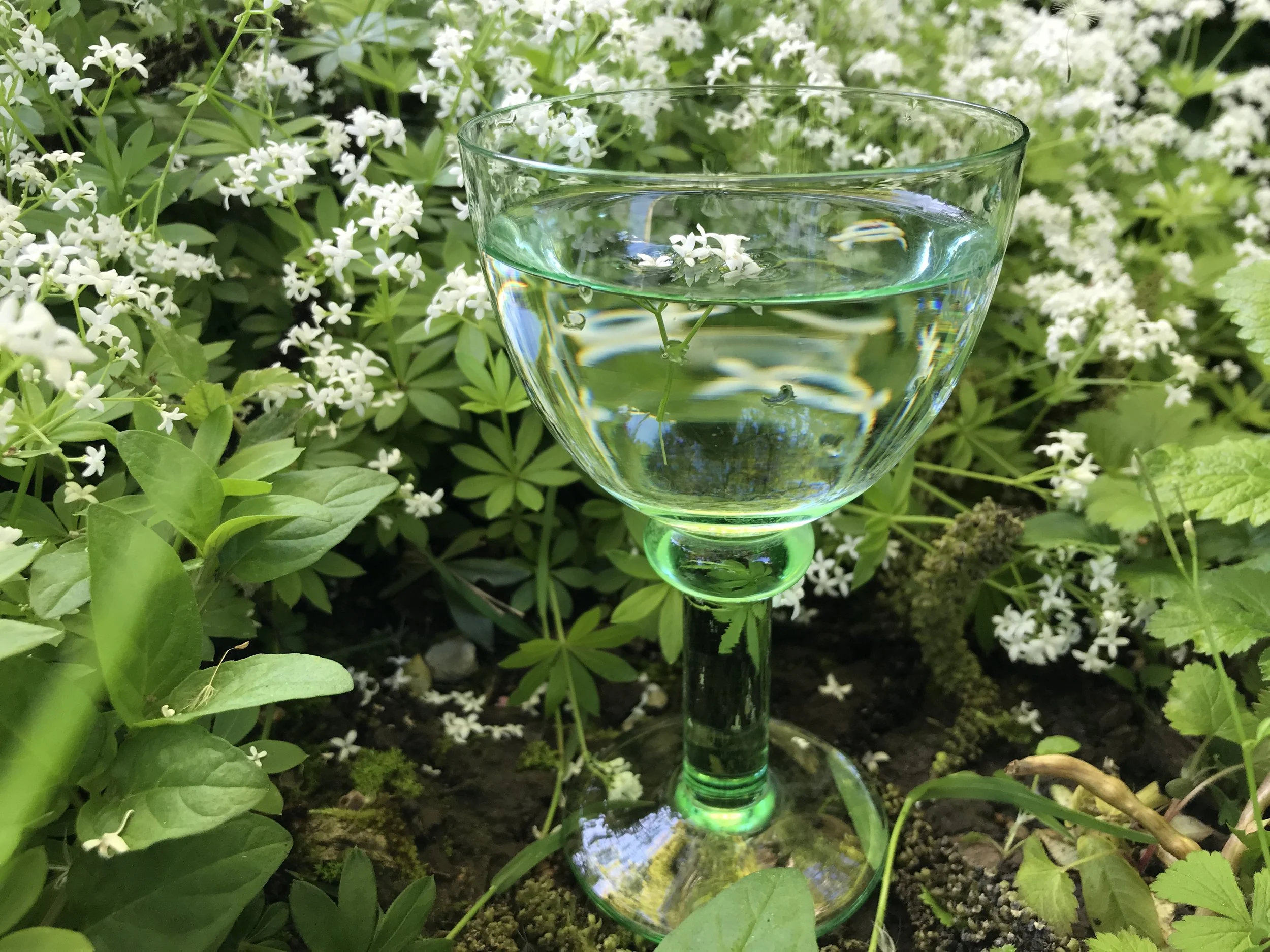
Belenus – A God who may have given his name to Beltaine. He is the God of healing plants and strongly associated with springs and healing water. Belenus may also hold the powers of the sun. He is one of the Gods adapted into Roman culture. You can call on him at this time of year for magic related to healing, herb work, or celebrating the sun. Make a well by filling a bowl with water and greet him on Beltaine morning as the sun rises. You can ask him to shine his light on your path from Beltaine to Samhain.
The Dagda – The Good God. He is often seen as the holder of all bounty, all good things, and carries a “Chieftain of the Gods” energy. Get to know him to help you be in your own authority and to understand abundance.
Brigid – She is mostly associated with Imbolc, or spring, but a lot of traditions work with her as the keeper of the gates to the upper half of the year. She is associated with poetry, smithcraft and healing wells.
The Fae – Also known as the Sidhe or Tuatha de Danaan, one of the pre-Celtic people of Ireland who had miraculous powers of magic and who retreated into the hollow hills or faery mounds after the Celts arrived. Although many people see them as tricksters or possibly harmful, those who are loved by them are healers, poets, and bards.
Beltaine Fire Traditions and the Need-Fire Ritual
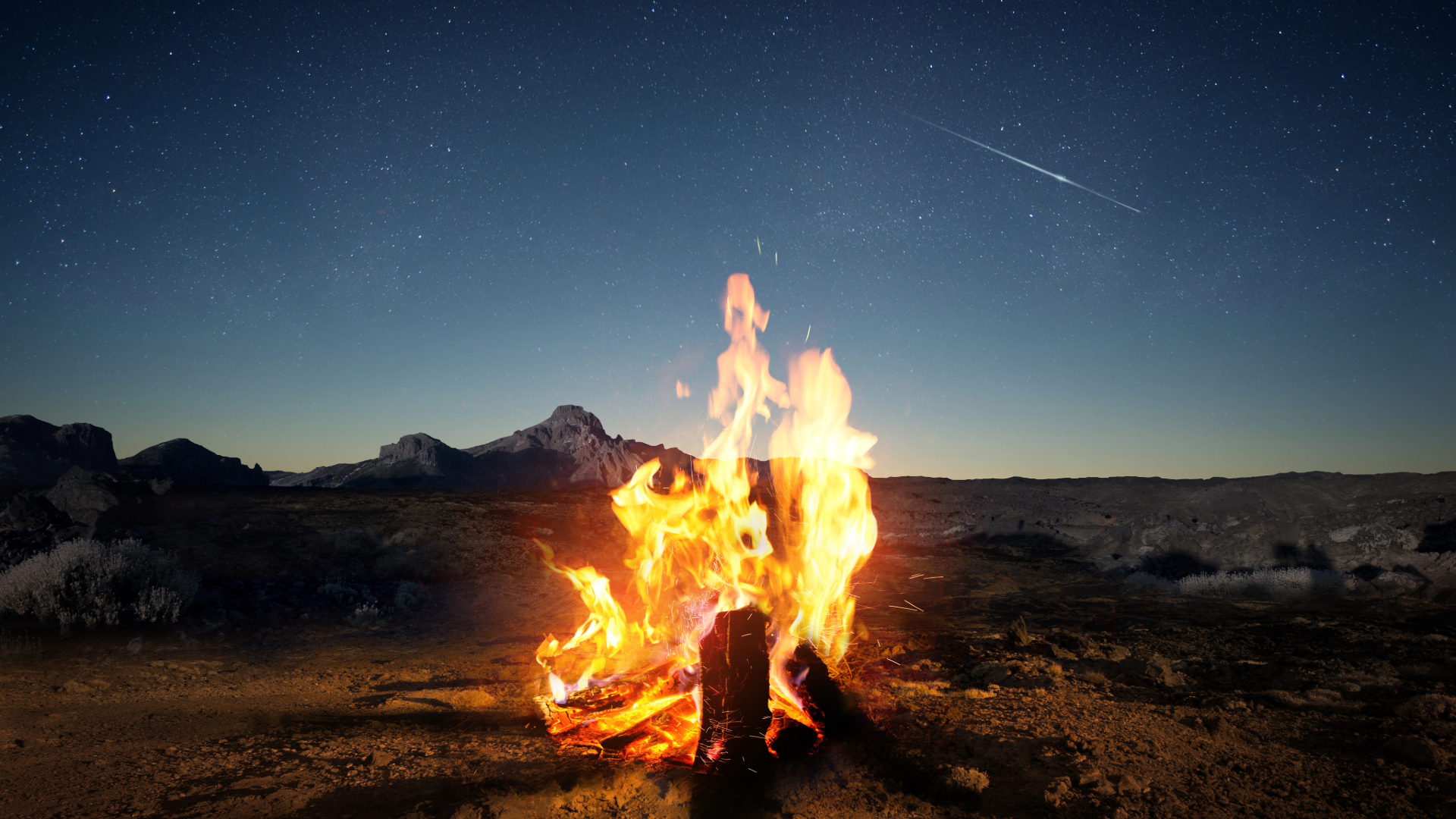
May Day is associated with flowers and is a fire holiday. As far as I know, no one knows exactly why the cross-quarters are fire holidays other than the fact that bonfires and feasting were always a big part of these festivals. Also, in many regions, all fires were put out in a village, and a need-fire or tein' èiginn in Gaelic was created using only friction or, in some areas, flint to get it started. Cattle and often people walked through or around the fires to purify themselves from sickness and disease. In the Scottish Highlands, each household took some of the need-fire home to rekindle at their own hearths. Then, a cauldron of water was heated and mixed with some of the ashes, and people would use that mixture to sprinkle on sick cattle or children.
There was both magical and physical significance to this belief. This was from a time when you always kindled a fire from someone else's if yours was unlucky enough to go out. There was no such thing as creating a “new” fire unless you took the time and effort to do it through friction or flint. So, putting out the old fires was an act of faith and consciously letting go of the old problems, including disease and sickness. The physical part of this ritual relates to how important smoke and fire were both in Celtic and Nordic regions as a physical purification. We know that smoke helped drive off vermin and keep them at bay. Vermin, such as fleas, were sometimes carriers of disease. While people did not have the same understanding of microorganisms as a cause of disease that we do, they still had a number of practices that worked effectively.
Creating a Beltaine Fire Ritual
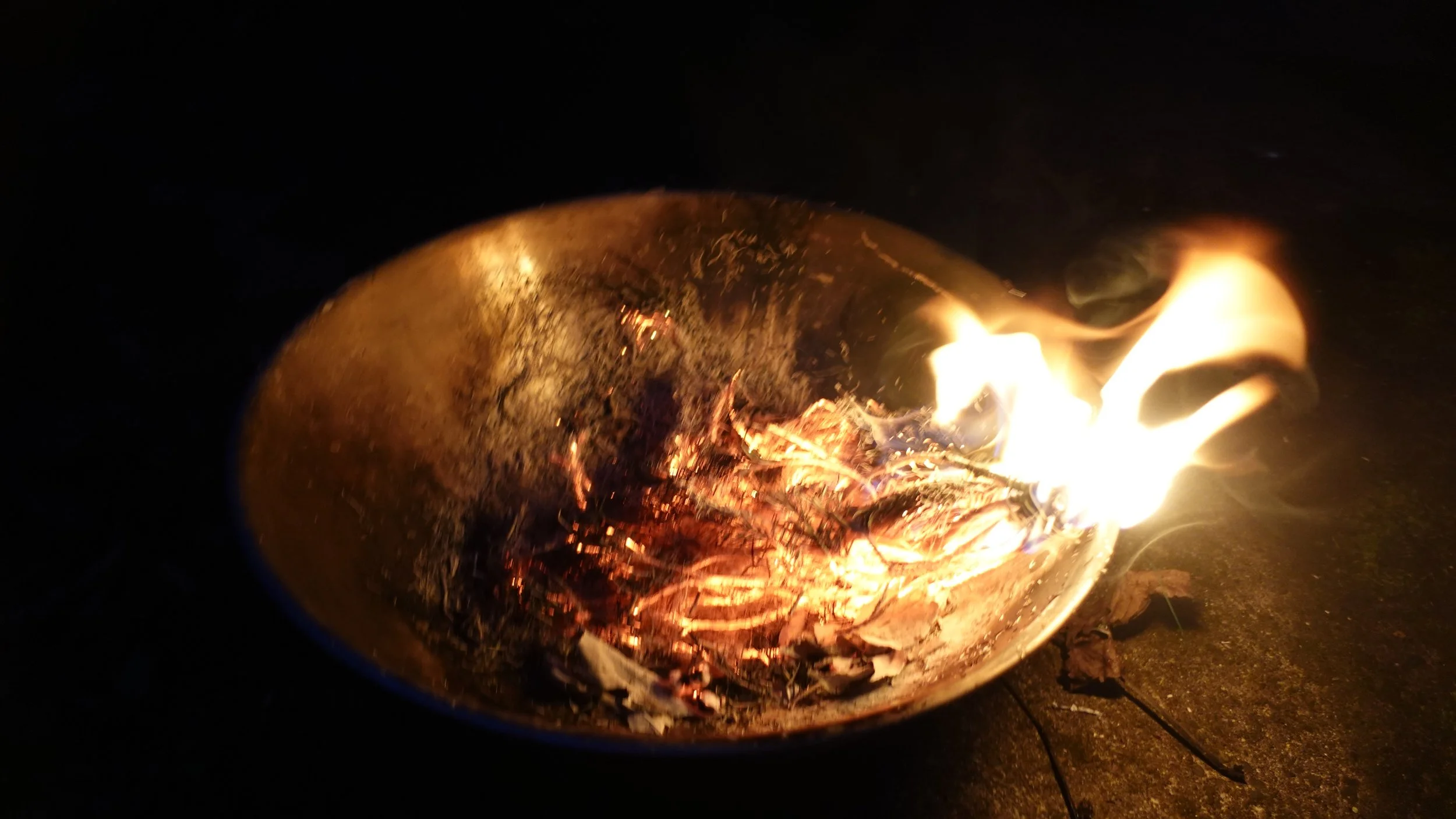
If you wanted to create some magic for this gateway into summer that starts at Beltaine, you might try creating a small need-fire, even if it is just in a cauldron. Oak was traditionally used as part of a tein' èiginn need-fire. Oak represents luck, health, abundance, and expansion, perfect for the season. You can use oak bark from an herb store, leaves you have gathered, small oak twigs, or actual oak wood if you can make a regular-sized fire. Not all the wood needs to be oak.
In later days, there are charms that name nine sacred woods traditionally used to make the fire:
Oak (Quercus) – strength, kingship, endurance
Ash (Fraxinus) – world tree associations, connection between realms
Birch (Betula) – renewal, purification, beginnings
Rowan (Sorbus aucuparia) – protection, warding, liminal magic
Hawthorn (Crataegus) – fae connection, thresholds, Beltaine blossom
Hazel (Corylus) – wisdom, inspiration, poetic knowledge
Apple (Malus) – otherworld, love, immortality
Willow (Salix) – intuition, water magic, lunar current
Elm (Ulmus) – underworld and the spirits who guard burial mounds
These days, it is unlikely that you could make a fire from scratch unless you have been trained in that important and magical skill. So, light the fire with a candle charged with leaving the old behind. Then, circle the fire nine times, holding that idea in your mind. Walk starting in the east and moving toward the west, continuing in a clockwise direction. You could add some slightly damp twigs or herbs like rosemary to your fire to make it smokier. At the end of the ninth circle, let the fire burn out. Mark yourself in some way with the ashes. Have a feast to celebrate your survival through another winter and having progressed further on your journey to sovereignty.
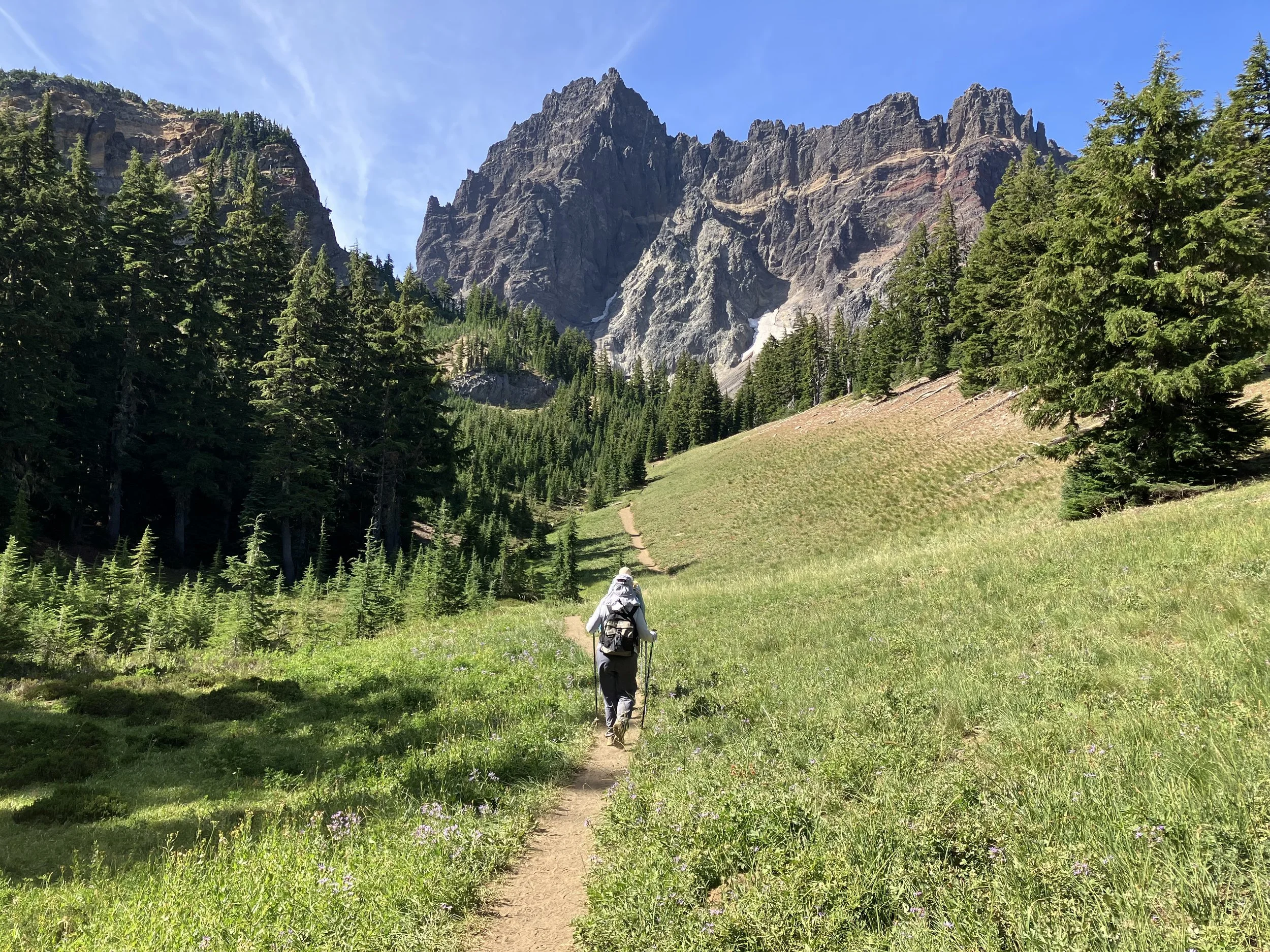
For me, moving through the seasons is a magical act of growth and discovery that helps me find who I am and brings me closer to holding the magical name that the spirit world knows me by.
I see the seasons as a spiral bringing us back to ourselves, but able to see from a different perspective each year, each cycle.
But everyone’s journey and goals are different.
Blessings on your Path
Colette Gardiner
© Copyright ~ Colette Gardiner Golden Web LLC 2026