Lammas & Lughnasadh Folk Magic
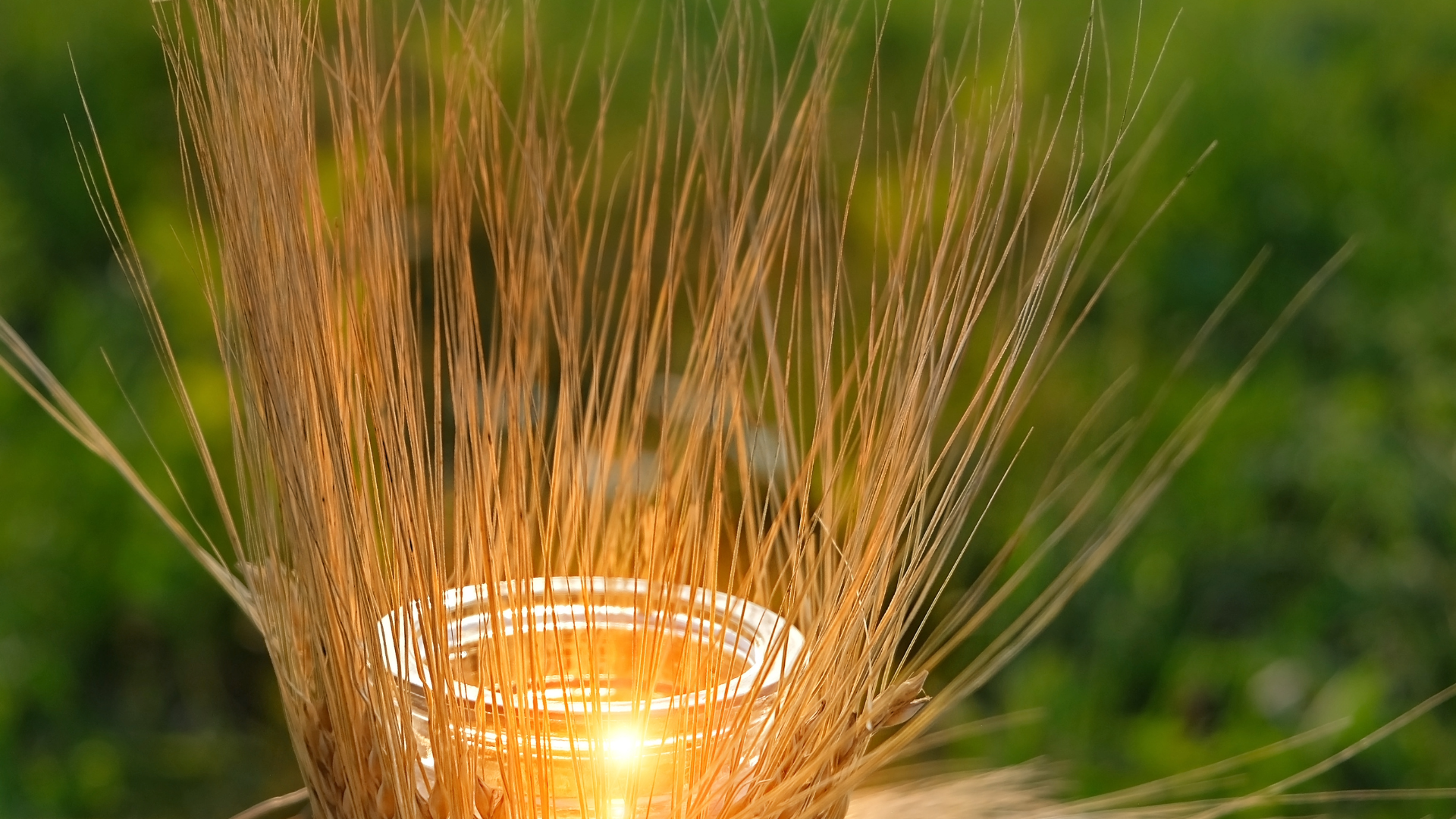
Lammas was traditionally celebrated around the 1st of August. It was celebrated close to the midpoint between the peak expansion of the sun at the Summer Solstice and the fading of the leaves at the Autumn Equinox. It's a golden time when the first fruits are celebrated, and traditionally it was a time when the first of the grain was harvested in Western European countries.
What Is Lammas?
I wanted to start by sharing a little bit about this holiday in case you were curious or didn't know very much about it. I do have another blog about it if you'd like more in-depth information. Check it out here.
https://goldenwebmysteryschool.com/witchcraft-musings/lughnasadh-lammas-deities-rituals-witchcraft
Lammas comes from the Celtic holiday Lughnasadh, and it's a celebration of first fruits. I've heard the name translated as meaning the Feast of Lugh, or simply Feast, the commemoration of the god Lugh, or even the death of Lugh. In the modern world, I feel Lugh is also the patron god of local county and state fairs, where we celebrate our agricultural bounty.
It honors Lugh's foster mother, Tailtiu, who was responsible for bringing agriculture to the people of Ireland, and it honors the first fruits of the grain harvest and the general harvest season. It kind of just kicks off the whole harvest season of gratitude.
The name Lammas is an Anglo-Saxon Christian name for this traditional feast of Lughnasadh, and it means "Loaf Mass." It celebrates the consecration of the first loaf of bread baked from the new grain harvest.
I also honor the Green Man at this time, particularly in the modern form of the folk legend of John Barleycorn, he who rises and sacrifices himself to feed the people and dies to be born again in the spring. The concept of John Barleycorn is a more modern figure, and his name has lived on in popular ballads, even today in union ballads and workers' ballads, as the martyred or sacrificed one who gives his life for the good of the community, as a symbol of the god who dies only to be reborn.
Lughnasadh Folk Festivals
In England and the Celtic regions, there are several traditional regional folk festivals tied to Lammas and Lughnasadh. People would often celebrate these on the closest Sunday to the calendar date of August 1.
Garland Sunday was a local festival honoring the holy well Tobar Laan at Killaan, Ireland. Greenery and flower garlands were used to decorate and venerate the well. There is some evidence to suggest that the well is a remnant of a very old pre-Christian site.
Bilberry Sunday was another folk tradition. Bilberries, or blueberries, were gathered by young people from the mountaintops and often baked into cakes. Dancing and celebrations continued into the evening.
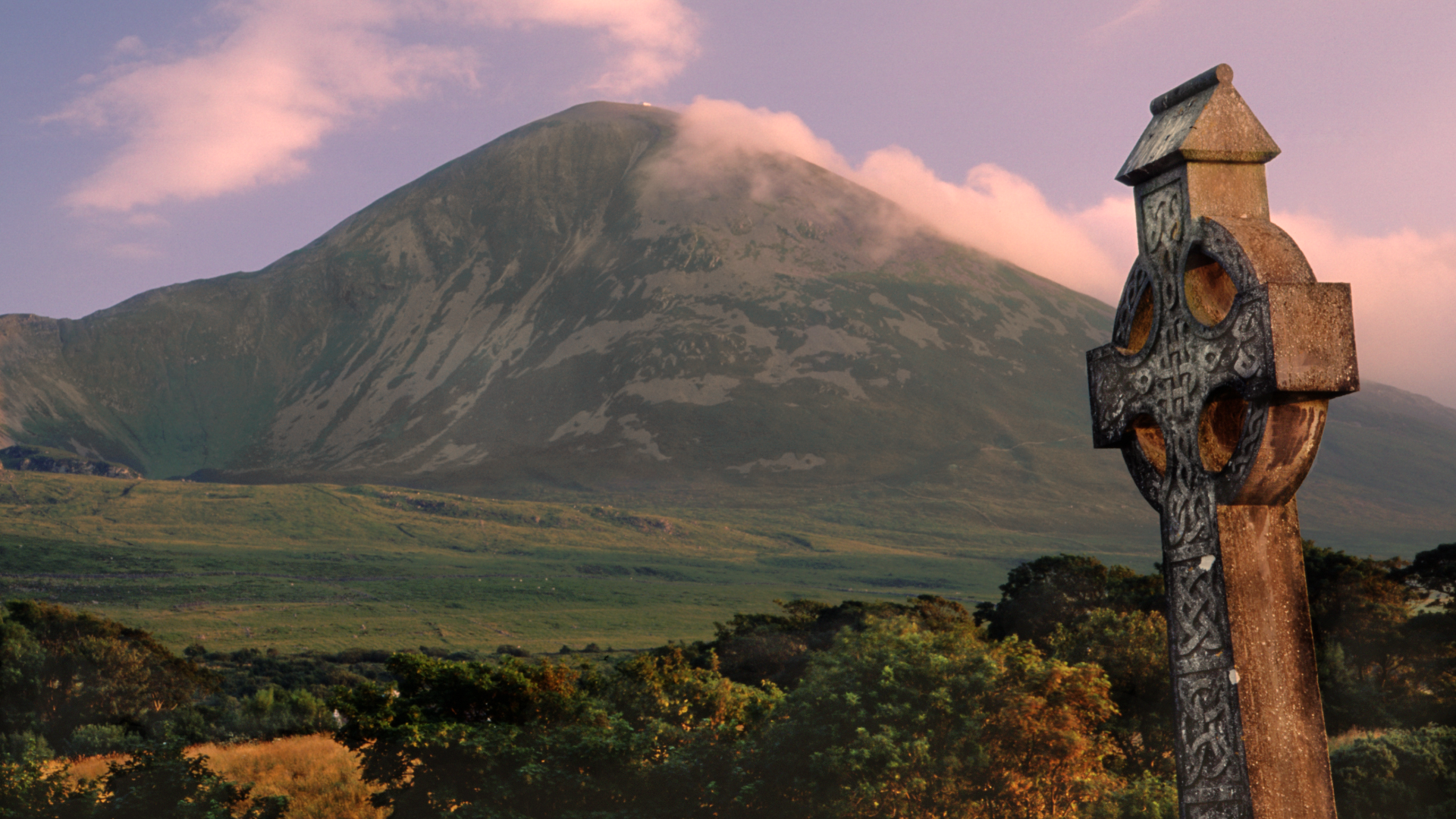
Reek Sunday is now associated with Christianity and St. Patrick, but it is believed to be much older. People would climb Croagh Patrick, a mountain in County Mayo, Ireland. These days it is done as a penance, with a Mass at the summit, but some folklore suggests that people once climbed it to make offerings to the ancestors.
Crom Dubh's Sunday is another folk festival that retains more of its pagan past. Crom Dubh is known as "the Dark One" and is associated with sacrifice. My personal take is that he holds the mystery of the fertility that exists within the dark depths and the understanding that death is a loss, but it also brings new life. Well into historical times, people left wreaths at Altóir na Gréine ("Altar of the Sun"), a 4,000-year-old Bronze Age site that, until recently, was thought to have been completely destroyed.
Harvest Magic for Lammas
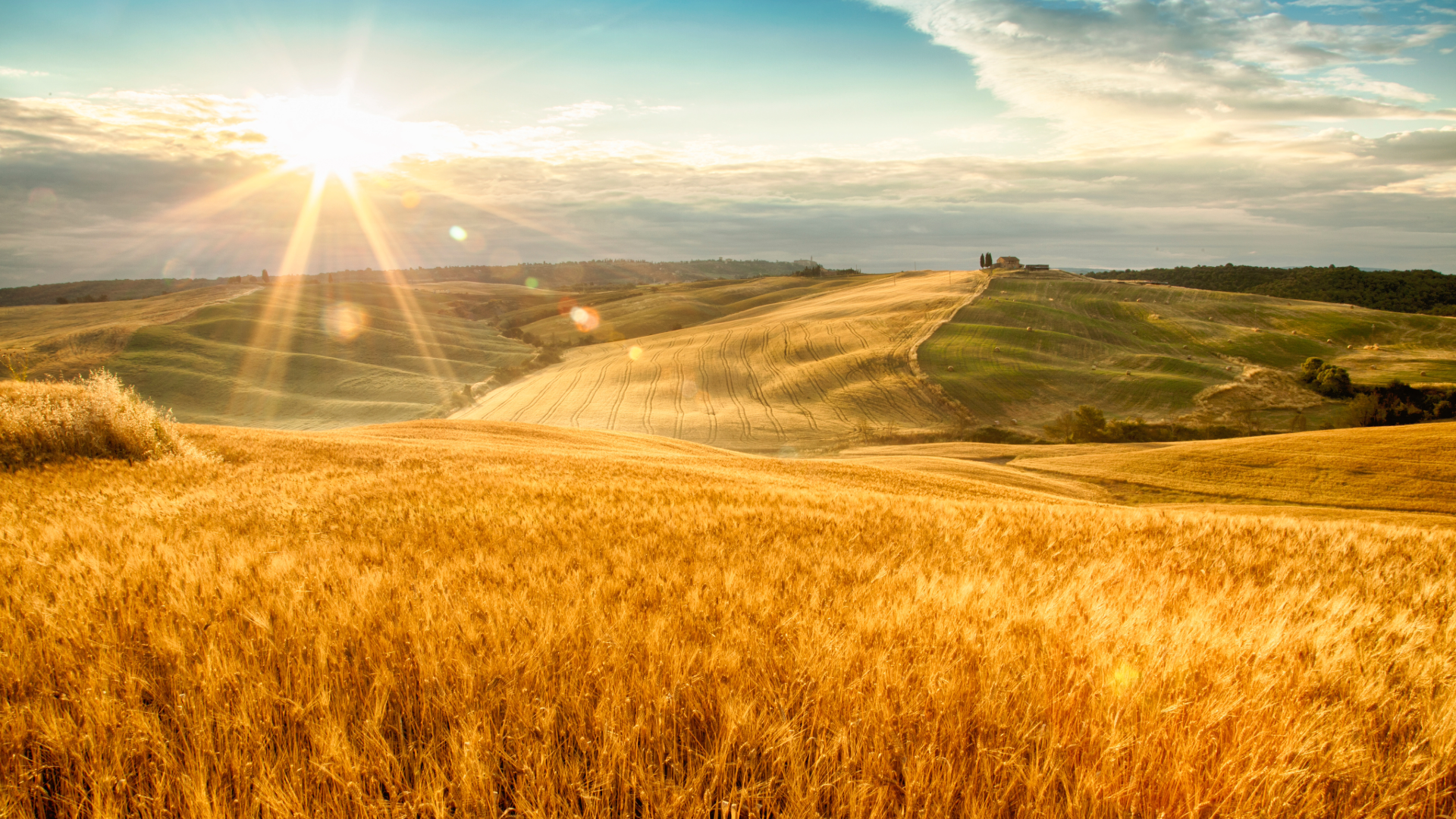
Other rituals in Western Europe involved tying the first or last bundle of harvested grain into a sheaf. This was sometimes seen as a representation of the dying god Lugh himself, or other local dying sun gods, because this is the time of year when the foliage becomes just a little more brittle and you can start to hear a bit of Autumn's rattle in the wind moving through the leaves.
Making corn dollies is also traditional folklore. There are a lot of videos showing how to make a corn dolly. For those of you who are curious, the word "corn," in its European roots, did not mean what we think of today as corn. What we think of today as corn is actually a grain native to Mesoamerica. In Europe, the word "corn" referred to whatever grain was local to an area. It is derived from the same root as the word "kernel." Corn dollies are simply made by taking a bundle of grain and turning it into a figure through braiding.
Sometimes that traditional sheaf was carried in procession through the towns, often by children. Sometimes it was left in the center of the fields or simply left standing as an offering to the gods. Sometimes it was the very first sheaf that was left untouched, and sometimes it was the last. This concept was often talked about as giving John Barleycorn his due.
Harvest Kitchen Witchery
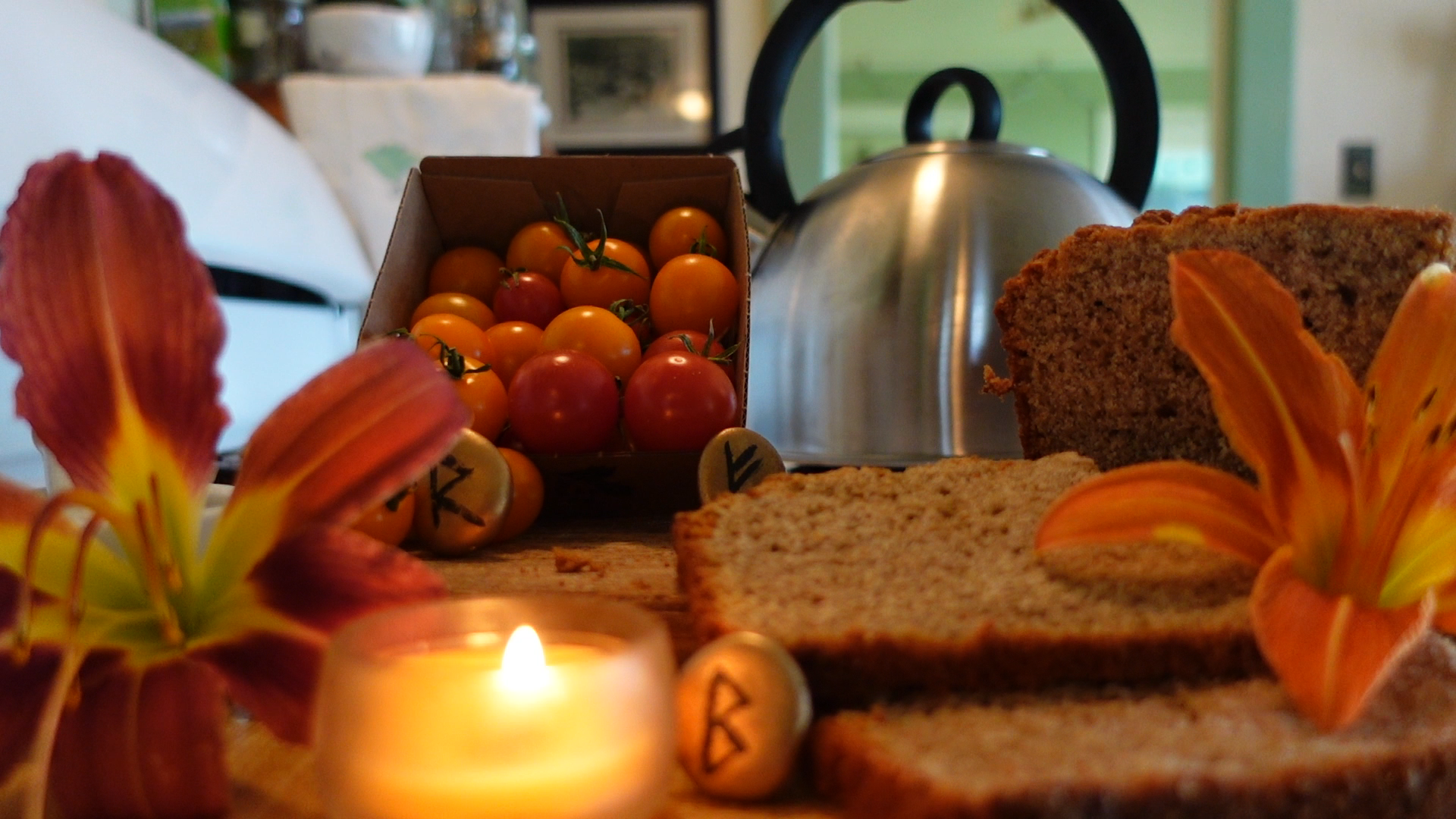
One thing I always like to do is make bread. I usually buy pre-made dough and divide the loaf into three strands, braiding it so that it looks like a head of grain. Or I'll simply make yeast-free barley bread using baking soda to help it rise more quickly.
So I hope that you enjoy Lammas this year. Maybe spread some of that abundance around by donating to your local food providers.
Blessed Summer
Colette Gardiner
© Copyright ~ Colette Gardiner Golden Web LLC 2026