Common Witchcraft Terms | Spell, Charm, Amulet, Talisman & More
Have you ever wondered what all the different witchcraft terms mean? If you've spent any time reading books, watching videos, or talking with other witches, you've probably noticed that the same magical terms are often used in different ways. One person's spell may be another person's charm. Or people use the words "amulet" and "talisman" interchangeably.
My magic is rooted in the lands my ancestors came from, but a lot of Euro-American witchcraft is a blend of practices from many regions, and witchcraft itself has many different styles and names for witchcraft practices. So, in this article, I'm sharing easy definitions that I personally use. They aren't the only definitions, but they're the ones that best describe how I practice and teach magic.
What's a Spell?
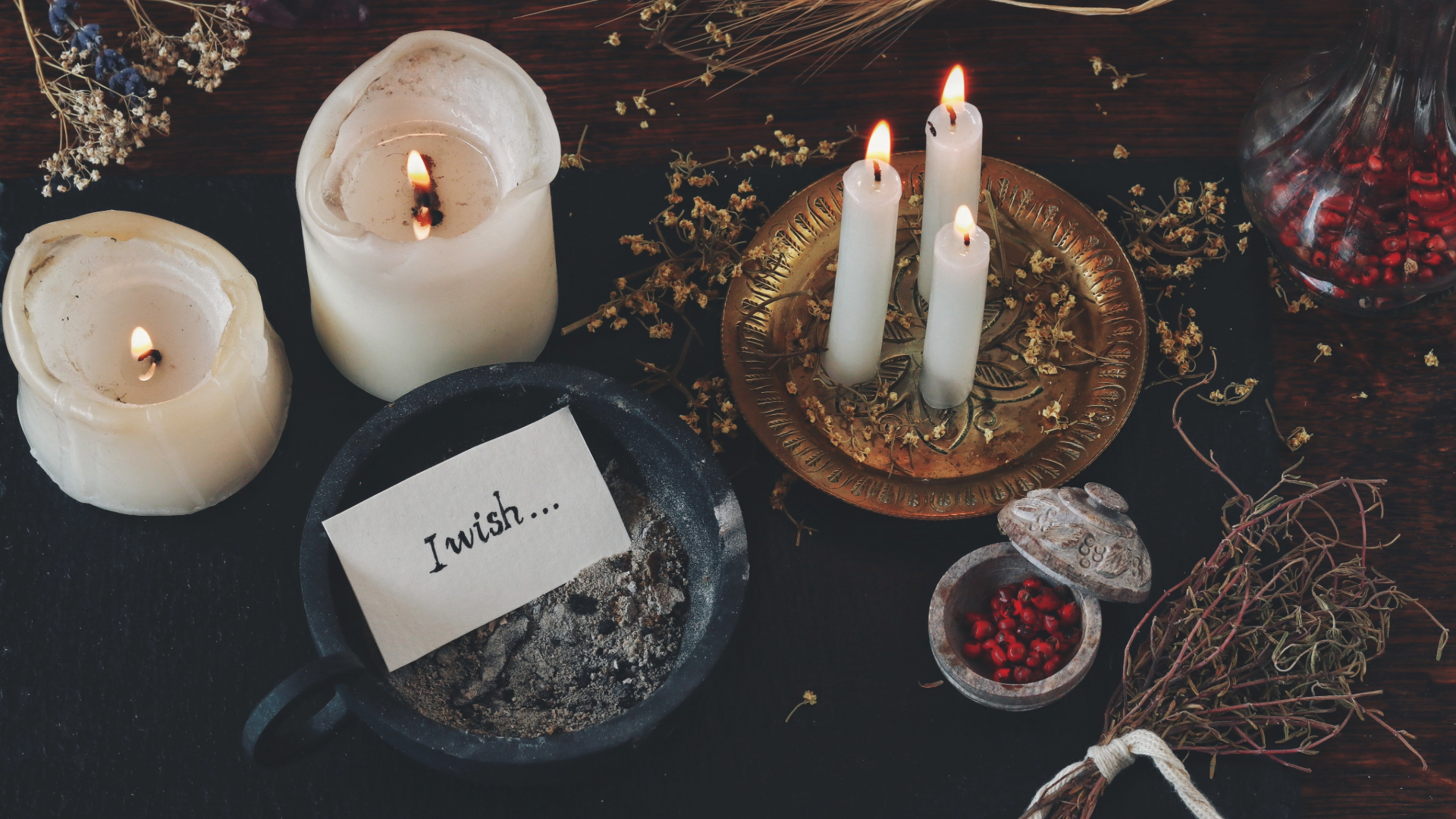
A spell is often a written piece of magic that, when you read it, brings your magic to life and activates it. It can be short or long, elaborate or simple. They can also be chanted if they are short, or even sung. A spell can be a big-picture, culture-changing piece of magic, or it can be more tailored to individual needs. Big-picture spells can be a little tricky to carry out because there are so many moving pieces involved, and it’s a good idea to do some divination first to make sure it’s framed in the best way possible.
Individual spells were often passed down within families, covens, traditions, or, in more recent times, through grimoires and published books. Sometimes people like them to rhyme to give them a magical flow and make them easy to remember and use. A spell can also mean non-ritual magical working that you do.
What’s a Charm?
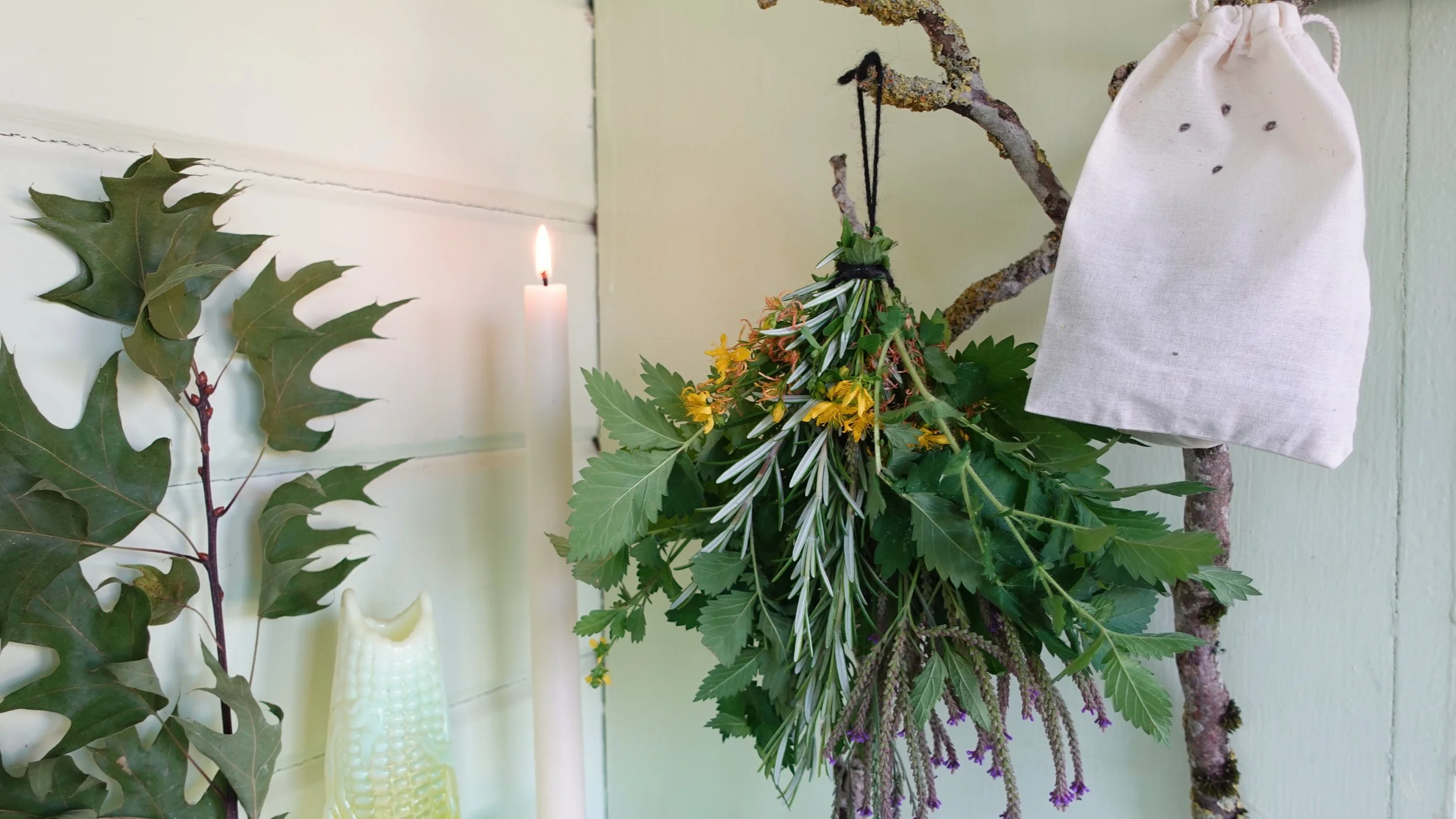
A charm is an object that you create for a specific purpose, like luck, health, or protection. You can carry one on your person or place one where it's needed, like in a car for safe travels, in the doorway or window of your house for home protection, or in your office for prosperity.
They can be a combination of herbs or items that have the magical properties you are looking for, or they can be a single item that you charge with an intention. You can put them together inside a small bag, tie them together in a piece of cloth, or bundle several things together with string and hang them.
You can enhance your charms and their power through the colors that you use for the cloth or bag, the number of knots you use, or by anointing them with magical oils and sprays. You can include personal items, such as fingernail clippings or hair, and place symbols on or in them. Some witches feel that a charm is something that inherently carries magic within it, like a four-leaf clover or a rabbit's foot.
What’s an Amulet?
Amulets are often seen as objects that protect you. I usually see them as a single object, like an evil eye symbol or a charged piece of animal bone, rather than something you assemble from multiple items. But that is not at all true in the wider world or throughout the history of witchcraft. Just looking at the Greek or Roman traditions uncovers so many different types. Some people use the words "charm" and "amulet" interchangeably. Amulets have been used for thousands of years, and they really deserve a whole article to accurately talk about them.
What’s a Talisman?
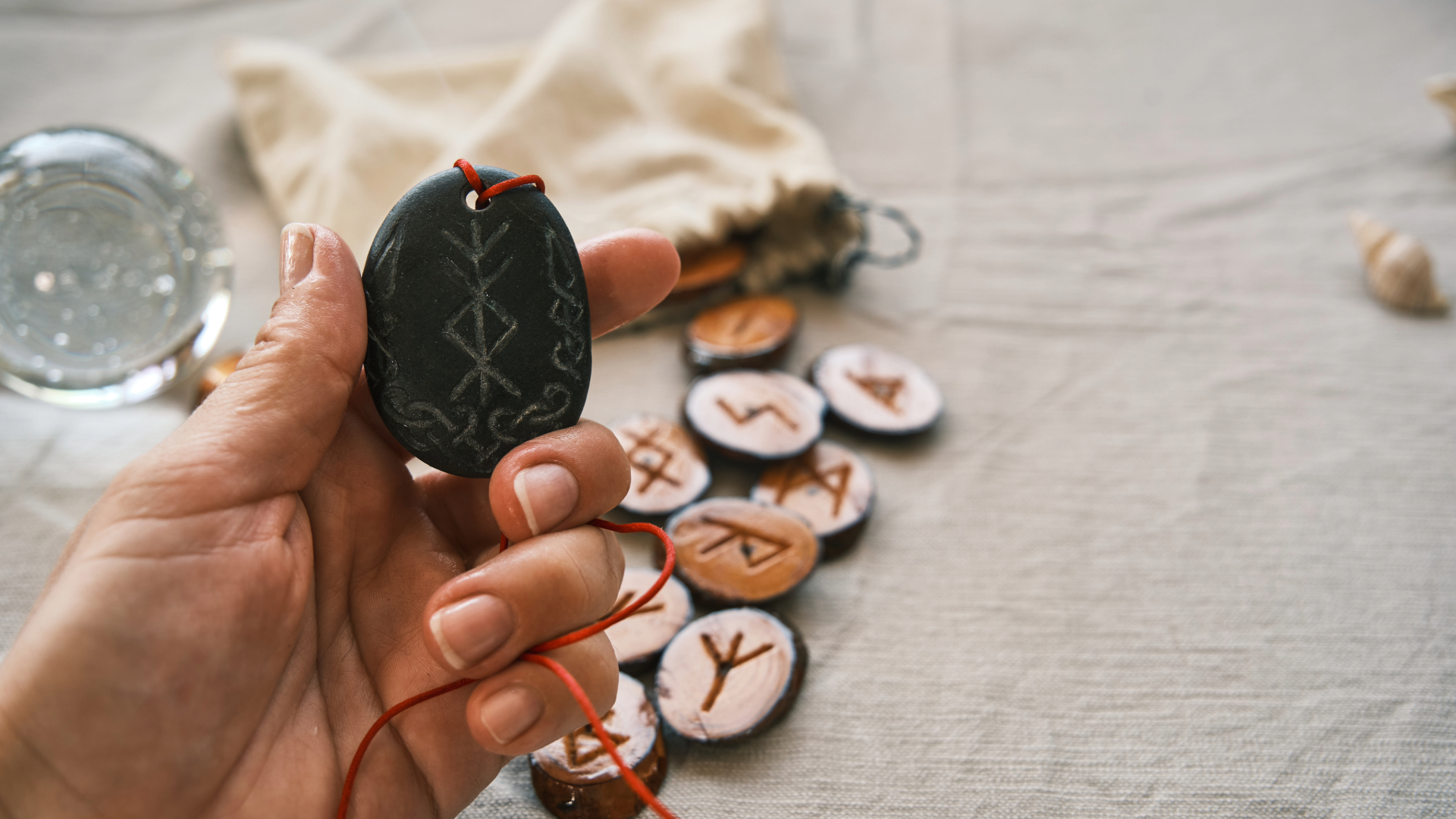
I usually think of them as something that holds sacredness or a blessing, perhaps something that is consecrated to a patron Deity if you work with one. In the wider magical, witchy, and occult community, they are seen as objects that draw luck or blessings to you. And it's worth saying that some people define amulets as also being able to hold sacredness or blessings.
Consecrating
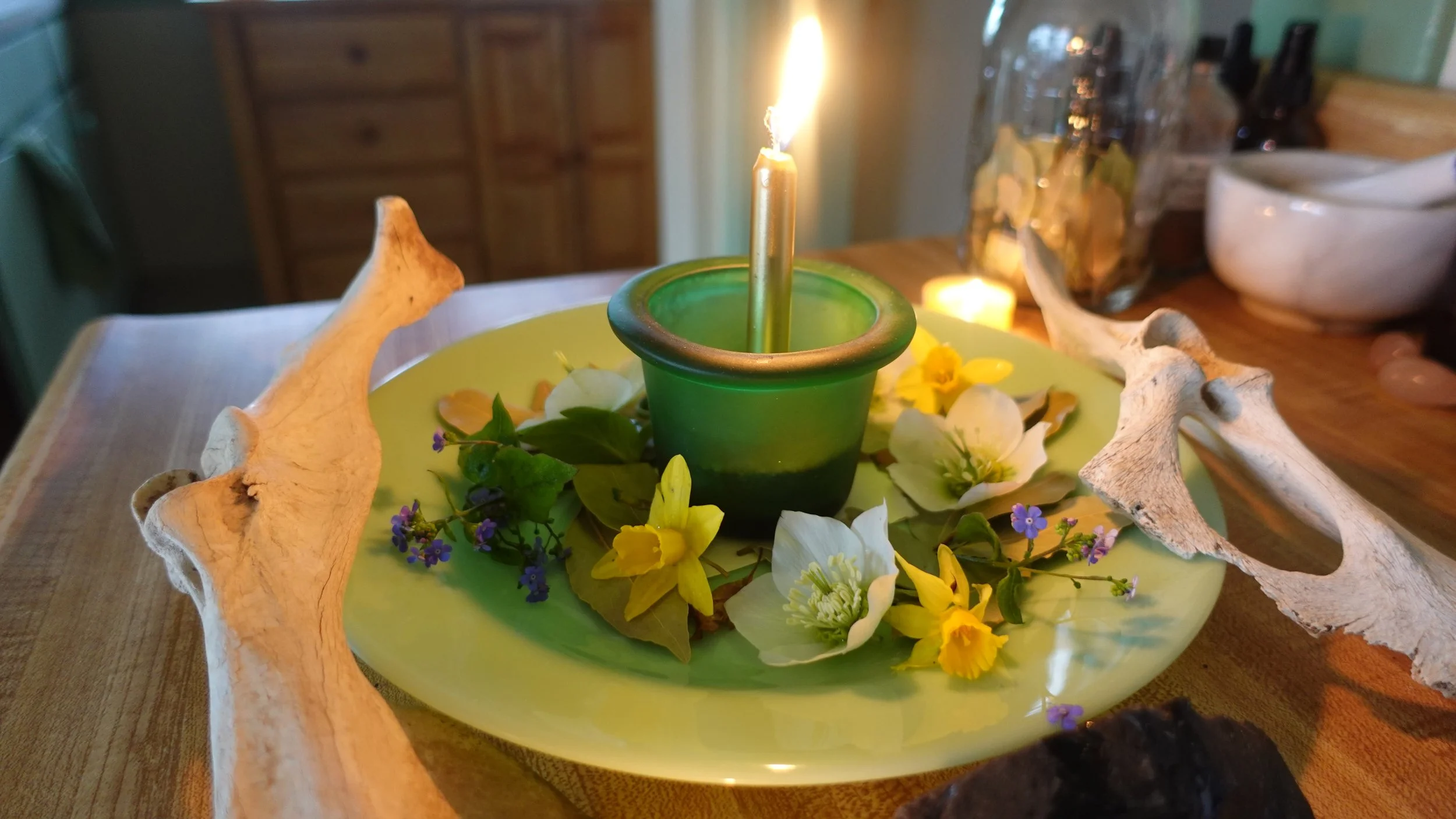
Consecrating is the act of blessing or dedicating something or someone. Like a Deity, an ally, or an ancestor. You can also consecrate a tool for a specific use (like a wine glass for offerings) or a space that you want to do magic in, either permanently or temporarily. It can be done in many different ways. You can use things like words, songs, chants, herbs, smoke, steam, oils, or symbols to consecrate an object or a space.
Charging
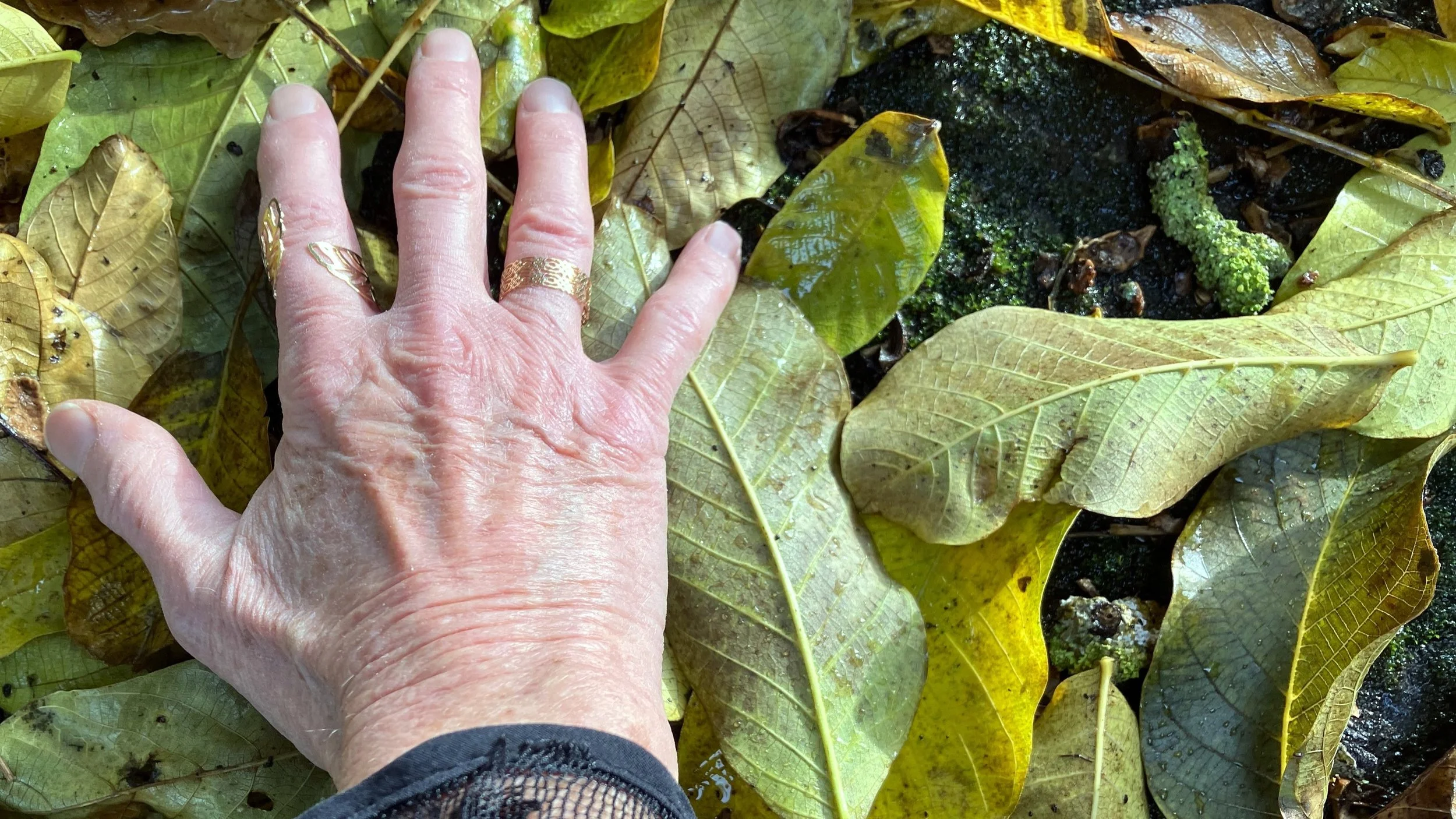
Charging, or charming, is the practice of pouring magical intention into an object. You can use words to do this. You can use your breath, your hands, your energy, or your intention by repeating it like a chant. You can also do a practice called raising energy to charge spells or items. You sing, tone, or chant until the energy reaches a peak and then let it flow into an object or spell. That technique is used more often in rituals and ceremonies, though.
I think the easiest way for beginners is to warm your hands and let that warmth flow into what you're charging while speaking or focusing on an intention. Some examples of charging things are putting an intention into food, charging jewelry with protection, charging your candles for a spell, or completing and activating charm bags.
What is Warding
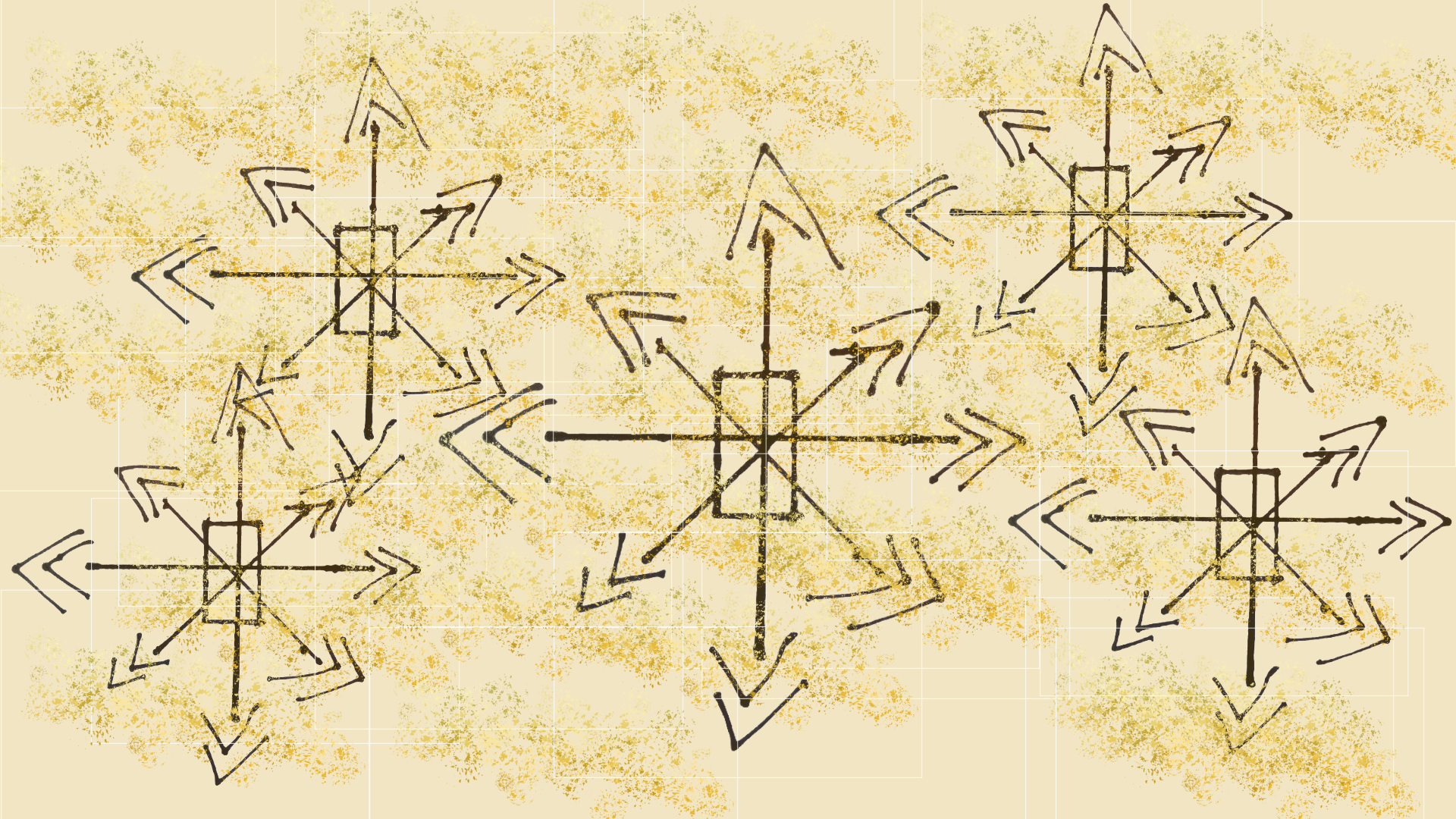
Warding is a form of permanent or semi-permanent protective magic for a house or an area. Occasionally it's used on people or animals, but that's a little more advanced and difficult. It's like a magical fence. It's often anchored with pictures, symbols, sigils, or other physical objects.
Enchantment
Enchantment literally means "to chant into," and, to me, that really goes back to the power of sound waves, the power of resonance, and the power of voice and song. I tend to think of this, in some ways, as kind of a catch-all word for any piece of magic where a spell is cast or where people are singing or using words to activate magic. These words are often used interchangeably because they come from more than one culture's linguistic roots.
Final Thoughts
Words like enchantment and witchcraft were also often used by outsiders or colonizers to describe things that they didn't have a clue about, didn't understand, or were interested in demonizing because they wanted the land. As we all know, these were often the people who wrote the historical records. Witchcraft is practiced all over the world and is different in every culture. Each culture has its own words to describe its practices and practitioners. And witchcraft may or may not be the term used.
I also want to say that whatever your definitions are for any of these words is totally fine. There are many different styles of witchcraft, and some of these words are somewhat interchangeable, or have become so. Even in my lifetime, I have seen the understanding of various witchcraft terms shift and change.
If you'd like to learn more about traditional and folk-inspired witchcraft, explore my other articles here, subscribe to my Witch Ways YouTube channel for weekly videos, check out my workshops on this site, or learn about my in-person Magic Self & Spirit Program.
Blessings on your Path
Colette Gardiner
© Copyright ~ Colette Gardiner Golden Web LLC 2026