Easter Folk Magic and the Old Ways That Still Remain
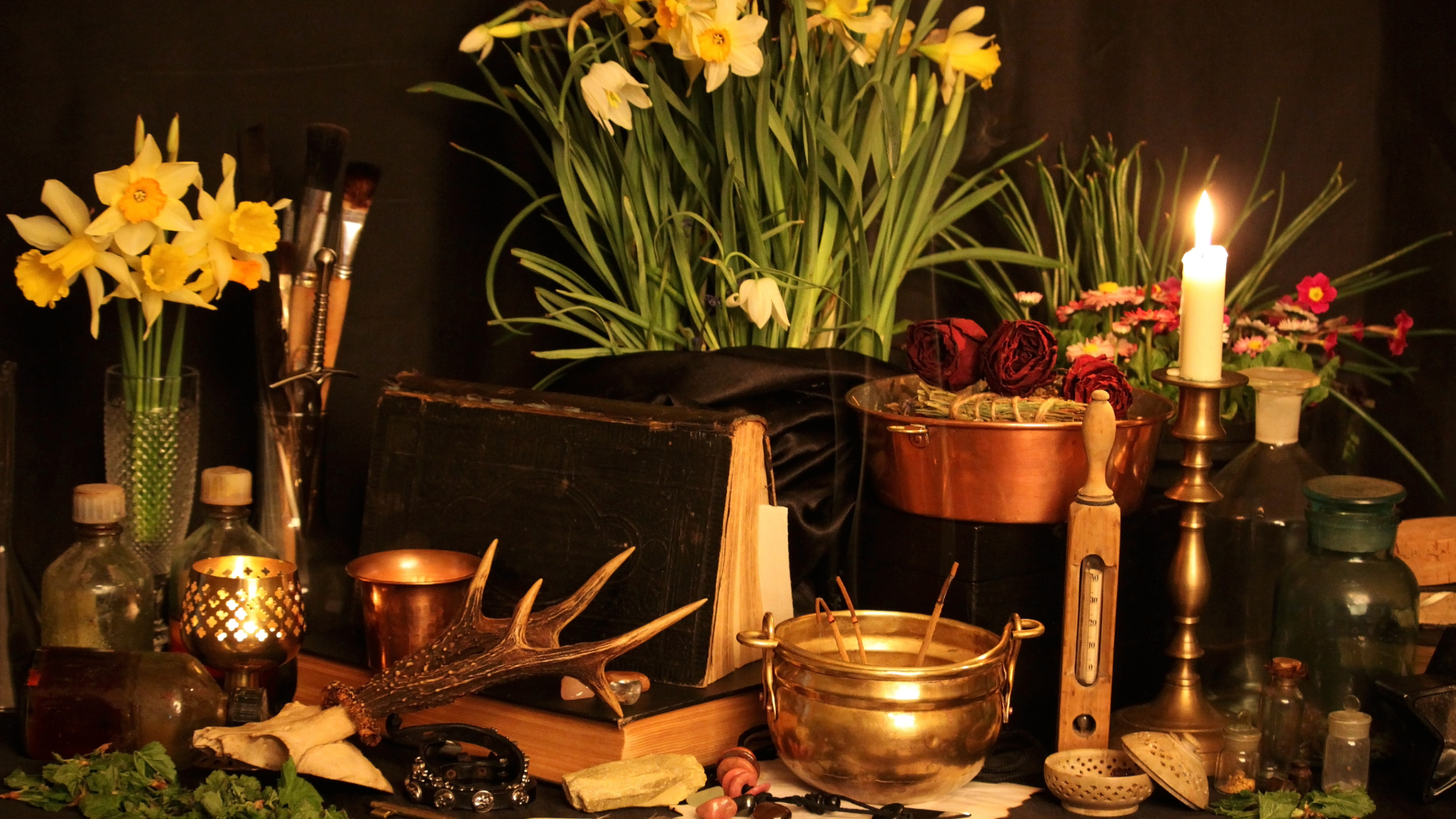
Today I want to talk about Easter and share its folk magic practices, where they came from, the magic they are based on, and why they work. I think we can learn a lot about magic from looking at what was kept and how old practices were used. The name is certainly pagan and comes from Eostre, who may be an early Anglo-Saxon deity celebrated in April. Though Eostre may have been a general spring festival, not a Goddess. I think of her as a Goddess, and I like the idea of her energy infusing this time of year. If you are a witch who likes to celebrate mainstream holidays with family, I hope this helps you draw on the magic of spring.
Do Witches Celebrate Easter?
I’m a witch, and the time I spent in Christianity was very short. It started when I was eight and ended at thirteen because my personal path became clear very early on. As an adolescent, I wasn’t very interested in the church telling me what to do. To me, Easter was always a celebration of the arrival of spring. I always looked to the land and its patterns for my magic and joy, even as a young child.
Easter was also the time when the smell of the air changed to that sweet, soft fragrance that moved with the winds in the spring. Many witches celebrate Easter with their family or community and just view it as the modern version of spring rebirth rites. Now that my family is gone, I don’t celebrate it at all, but that’s up to you. As a witch, you can celebrate what you choose as long as it aligns with your values.
Folk Magic Traditions Behind Easter
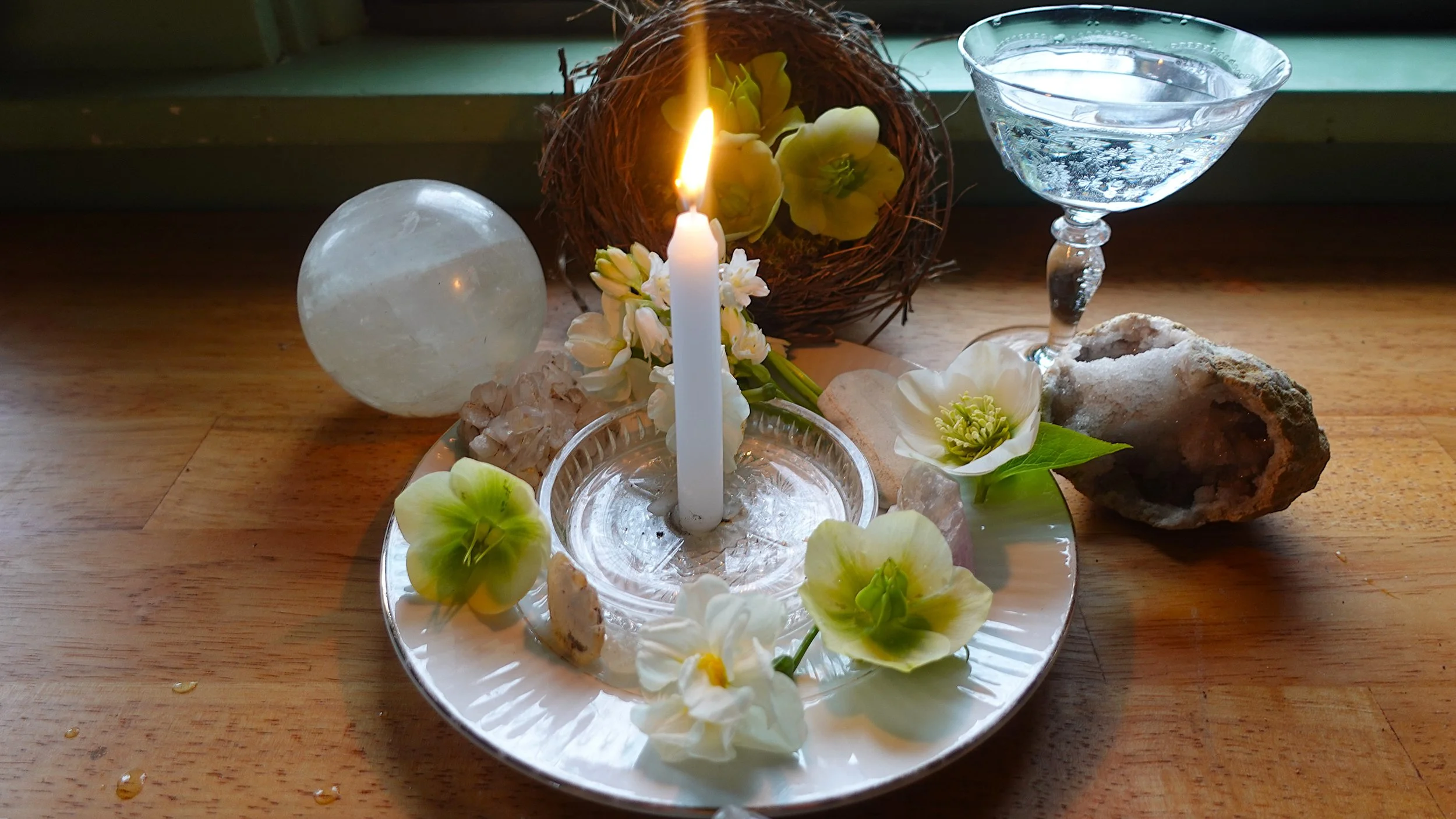
So what folk magic was possibly carried over or based on pagan themes? Many of these practices were done until very recently. In some remote areas, there are reports of great-grandparents doing them in a more pagan way. And sometimes there are very early church edicts documenting these practices as pagan. Here’s how they look today and some thoughts on how they work
Divination at Sacred Times
Divination on any type of sacred day is a very old practice. It’s based on the idea that magic and divinity are in the air and lend power to prophecy and oracular work.
The Dancing Sun Divination
Region: Ireland, England
Period: Early Modern folklore
It is believed the sun “dances” on Easter morning, and watching it can bring visions, blessings, or insight into the year ahead. Dawn practices were also strongly associated with earlier spring deities.
Egg Divination (Oomancy)
Region: England, Germany, Eastern Europe
Period: Medieval to Early Modern
A raw egg is cracked into water, and the shapes formed are read for omens, especially regarding love, marriage, or the future. Eggs are a common symbol of spring fertility since it’s the time of year that hens start to lay, bringing a welcome and nutrient-rich food after the long winter months.
Crossroads Rites at Dawn
Region: Various European traditions
Period: Likely pre-Christian, preserved in folk practice
Crossroads are magical places. Spots where you need to make a choice about the path ahead. So visiting a crossroads at Easter sunrise for divination or spellwork took advantage of the magical nature of the crossroads and the magic of changing seasons.
Hare and Rabbit Omens
Region: Germanic and Celtic regions
Period: Pre-Christian symbolism carried into Early Modern folklore
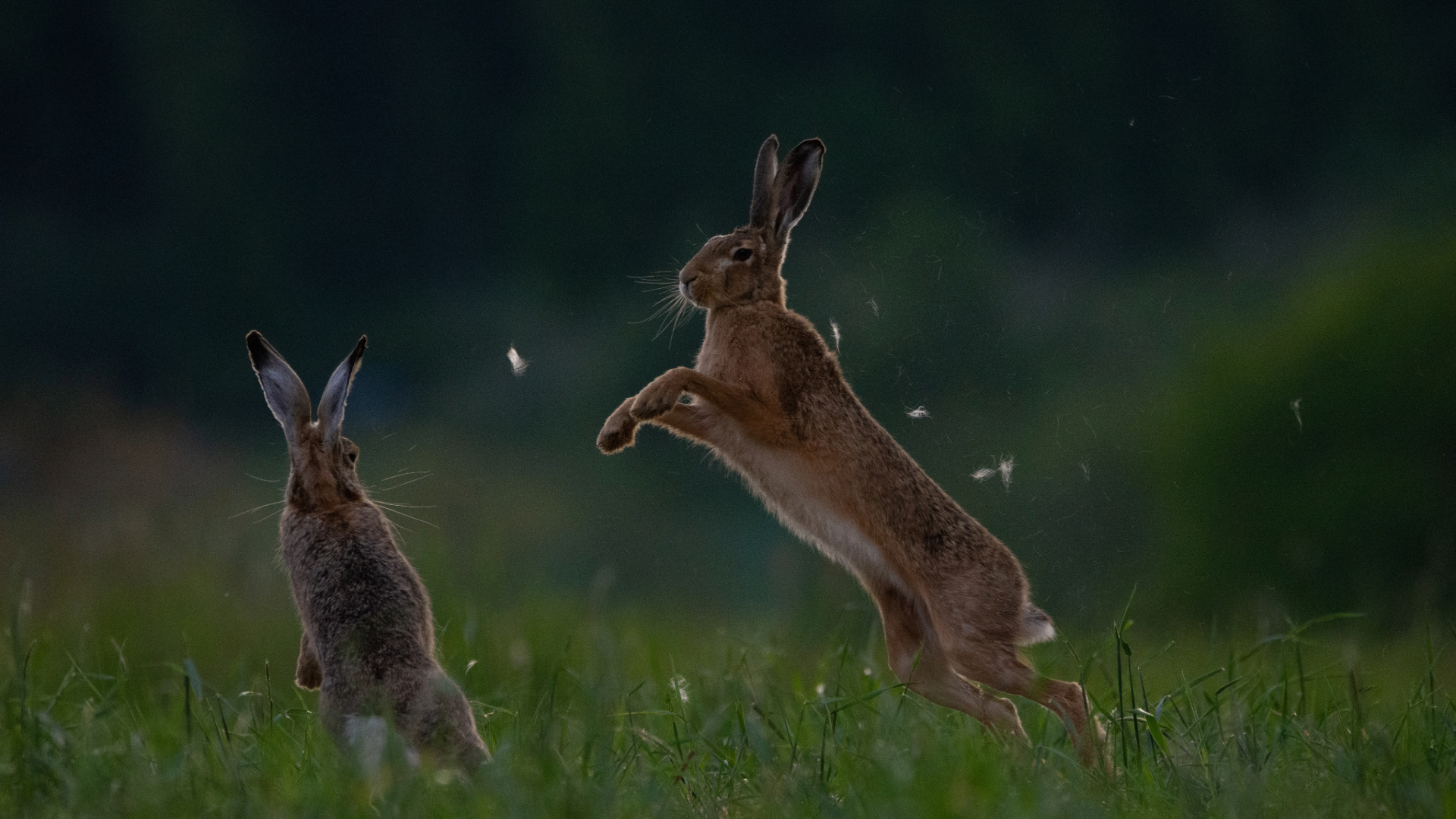
Animals have been seen as a potential sign for centuries. Rabbits and hares, as far as I can tell, are practically born pregnant. So they are strongly associated with fertility, which is a spring quality, and encountering one at Easter is considered an omen of fertility in the year to come.
Water Magic at Easter
These water practices were historically celebrated at Beltane (May Day). Like many known pagan practices, we know about them because church edicts lectured against them. They later became Easter traditions.
Easter Water
Region: Germany, Austria, Slavic regions
Period: Pre-Christian origins, continued into 19th to 20th century folk practice
Water collected in silence at dawn on Easter morning is believed to hold healing and beauty.
Washing in Easter Dew
Region: British Isles, Northern Europe
Period: Early Modern period, with earlier origins
Morning dew gathered or rolled in at sunrise is used to wash the face for beauty, youth, and skin health. During Beltane, it was sometimes gathered in a jar, left out to absorb the sun, then filtered before washing with it.

Spring Planting and Fertility Magic
Enhancing Growth
Region: Pan-European agricultural folklore
Period: Pre-Christian roots, continued through folk farming traditions
Crops planted around Easter, especially under a waxing or full moon, are believed to grow stronger and more abundantly. This was also believed about crops planted on Lady’s Day and possibly on the Spring Equinox. In general, many first planting traditions were folded into Easter, often with a priest blessing the fields.
Rolling Eggs for Fertility of the Land
Region: England, Scotland, Central Europe
Period: Medieval onward
Eggs are rolled down hills or across fields to encourage fertility of the land and ensure good harvests. It’s also an example of sympathetic magic, or “like drawing like,” a belief still used today in modern spells and charms. For example, cinnamon in a charm helps things happen quickly because it’s fiery, and fire is considered a quick element. Or herbs from far away being used for abundance because they used to be very costly.
Liminal Times and Protection Magic
In many Western European traditions, particularly pagan Celtic ones, sacred days such as Samhain or Beltane were considered liminal times when the gateways between worlds were open. Protection was needed from spirits during these periods. Those ideas merged into Christian holidays, which were then seen as liminal times, and practices were reshaped and continued.
Easter Fire and Ash Blessing
Region: Germany, Scandinavia
Period: Pre-Christian fire festivals adapted into the Christian calendar
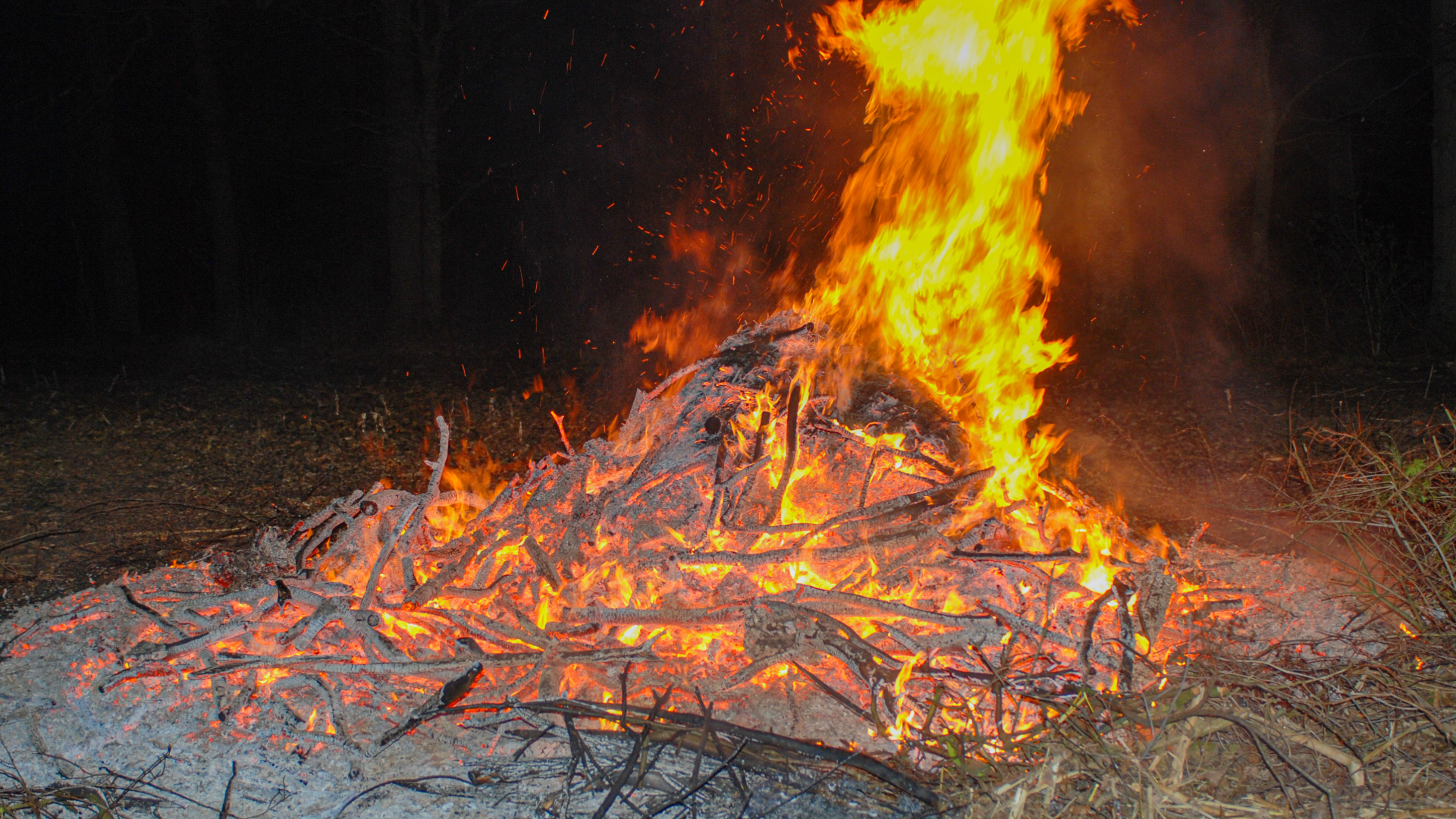
Bonfires lit at Easter are used for purification, and ashes are scattered on fields or kept for protection. This likely comes from older northern and western practices of communal fires on sacred days, where ashes or wood were kept for luck or protection, similar to Yule log traditions.
Bread Baking Charms (Hot Cross Buns and Ritual Loaves)
Region: England and broader Europe
Period: Medieval onward
Bread baked on Good Friday or Easter is believed to never spoil, and is used for protection, healing, or to ward off illness. There are many traditions around the magical act of baking bread, as part of spring festivals or harvest festivals. For ancient people, life often depended on the success of the grain harvest. It was so important that priests would commonly participate and bless the bread.
Easter Sunday Protection Charms
Region: Scotland, Ireland
Period: Early Modern period
Charms spoken or created on Easter morning are believed to be especially potent due to the sacredness of the day. And this was also true of many older festivals.
Keeping an Easter Egg for Protection
Region: Slavic and Central European regions
Period: Long-standing folk tradition
A blessed or dyed egg is kept in the home, barn, or fields to guard against lightning, fire, and misfortune. Livestock were another important part of survival. So blessings and protections for them that might have been previously done at Beltaine or other sacred days were always incorporated into the new holidays. Also, it was the time of year that livestock moved out into the field or were bearing young, so more protection was needed.
Red Egg Protection Magic
Region: Greece, Balkans, Eastern Europe
Period: Late antiquity to present
Red-dyed eggs are kept in the home to ward off evil, protect against illness, and bring prosperity
Everyday Magic on Sacred Days
Many practices that were part of daily life were enhanced by being done on sacred days. This may be a carryover of old beliefs, but for some earlier holidays, the tasks of daily life might have been suspended for the day.
Churchyard Herb Gathering
Region: England, Central Europe
Period: Medieval to Early Modern
Herbs gathered on Easter from sacred spaces are believed to carry heightened healing and magical properties. In earlier times, this may have been done at sacred springs or groves.
Butter Churning Magic
Region: Ireland, Scotland
Period: Early Modern
Butter made during Easter is thought to be especially blessed, and charms are sometimes used to protect it from fairy interference.
Many of these folk practices would have had Christian chants or prayers recited with them. I personally always like to say or chant something when I do a magical practice. That might be calling on a pagan deity, humming, warming my hands and charging the objects used, or speaking the magical properties associated with the practice. Or just lighting a small candle as I do the working. Whatever you do, I hope your entire spring season is wonderful and witchy.
Blessings on your Path
Colette Gardiner
© Copyright ~ Colette Gardiner Golden Web LLC 2026